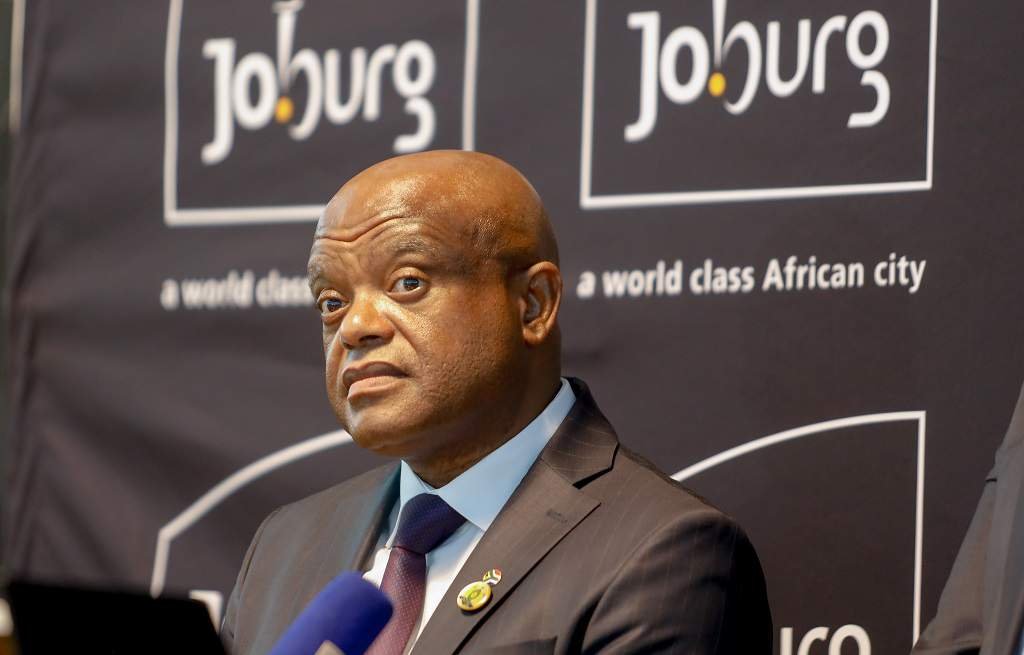
Outgoing Johannesburg ANC regional chairperson Dada Morero has delivered a frank reflection on his three-year tenure, offering a balanced account of achievements and setbacks as the party gathers to elect new leadership at its regional elective conference in Sandton. His term officially ends today, with voting expected to determine who will lead the ANC in the country’s economic capital for the next four years.
Progress Made — But at a Cost
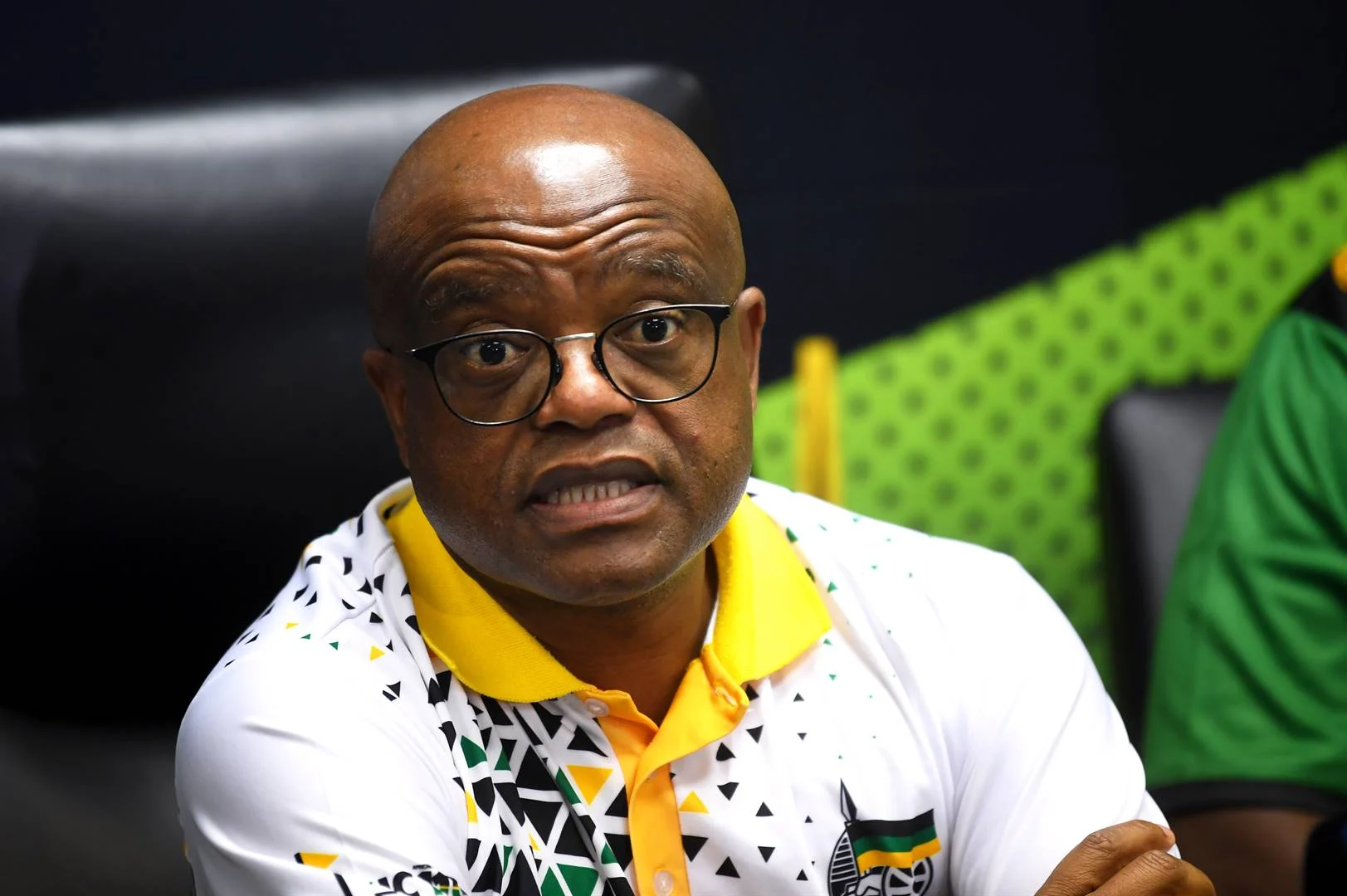
Morero highlighted what he described as “significant progress” in cleaning up Johannesburg during his tenure. According to him, the city has seen visible improvements in several service delivery areas as the ANC sought to restore stability following years of political turbulence in the metro. He pointed to improved operational coordination within the municipality and efforts to address longstanding issues such as waste collection, infrastructure maintenance, and basic services.
However, Morero acknowledged that the city’s financial health remains deeply troubling. Revenue collection has been on a steady decline since 2016, a trend that has sharply weakened the municipality’s ability to meet its commitments. The city’s inability to recover money owed by residential and commercial customers has contributed to growing debt levels and large amounts of unauthorised expenditure.
He warned delegates that the situation is severe and requires leaders who understand the complexities of running a city of Johannesburg’s size. “Our challenges are complex, and they need complex solutions,” Morero said, calling on the incoming leadership to confront these issues head-on rather than resorting to superficial measures.
Johannesburg’s Fiscal Troubles
Johannesburg’s finances have been a point of concern for years, with recent audits revealing billions of rands in unauthorised, irregular, fruitless, and wasteful expenditure. While some of these expenditures have been regularised through corrective processes, a significant portion remains unresolved, raising questions about governance and accountability.
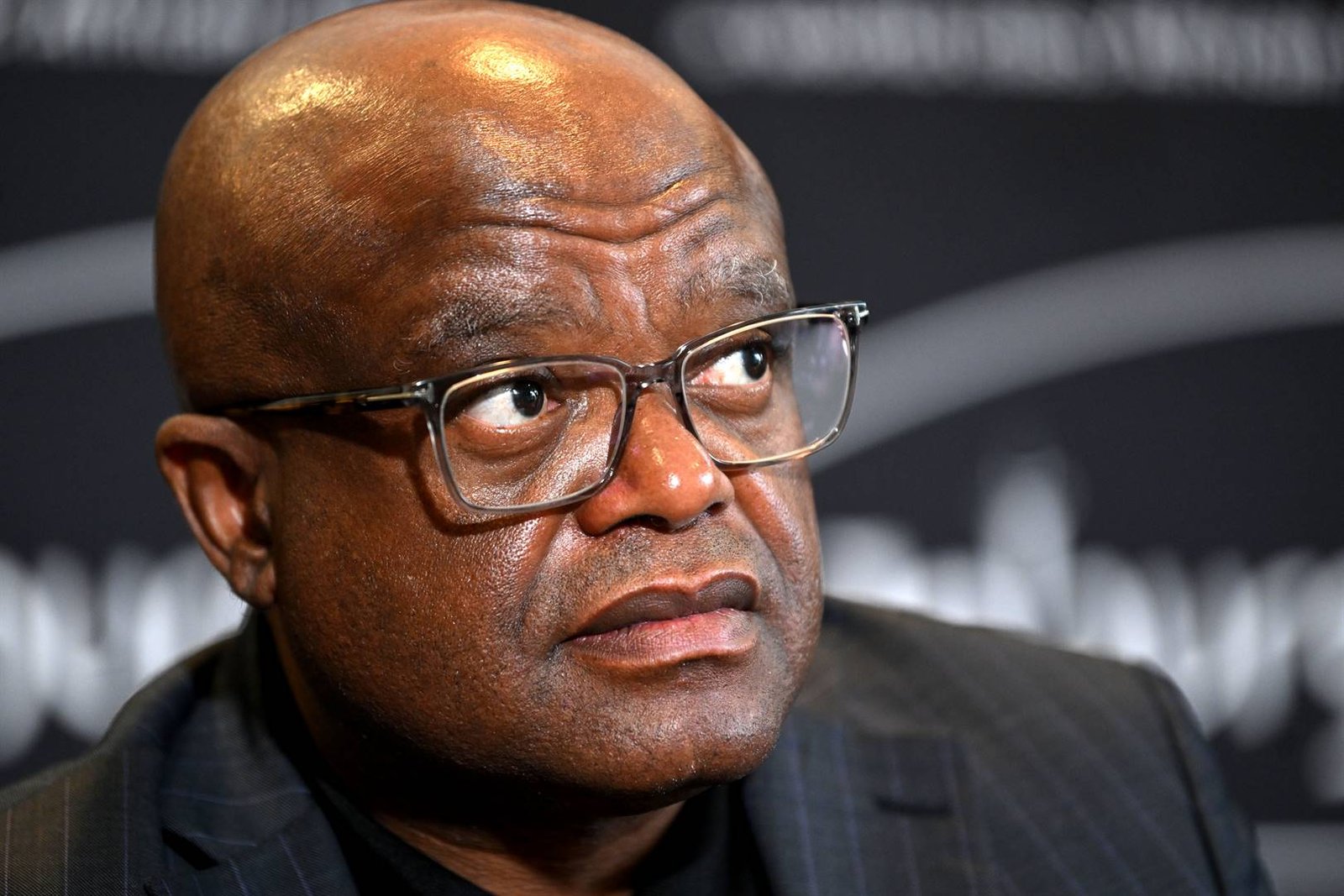
Morero defended his administration’s attempts to stabilise the situation, noting efforts such as the establishment of a “Finance War Room” aimed at boosting revenue collection. Recent internal figures show a modest improvement in collection rates, as well as new governance structures intended to strengthen oversight and discipline within city entities. The municipality has also revived its disciplinary board to investigate past misconduct, signalling a commitment to improving internal controls.
Despite these initiatives, critics argue that Johannesburg’s financial decline reflects deeper structural and administrative failures that will not be easily reversed. Residents continue to experience service delivery challenges, fuelling frustration and eroding public trust in the city’s leadership.
Morero vs. Masuku: The Battle for Regional Control
As ANC branches convene today, the contest for regional chairperson is expected to be closely fought. Morero is being challenged by Loyiso Masuku, who currently serves as the city’s Member of the Mayoral Committee for Finance. Masuku, who has risen steadily within party and government structures, is being positioned as someone capable of driving more rigorous financial reforms.
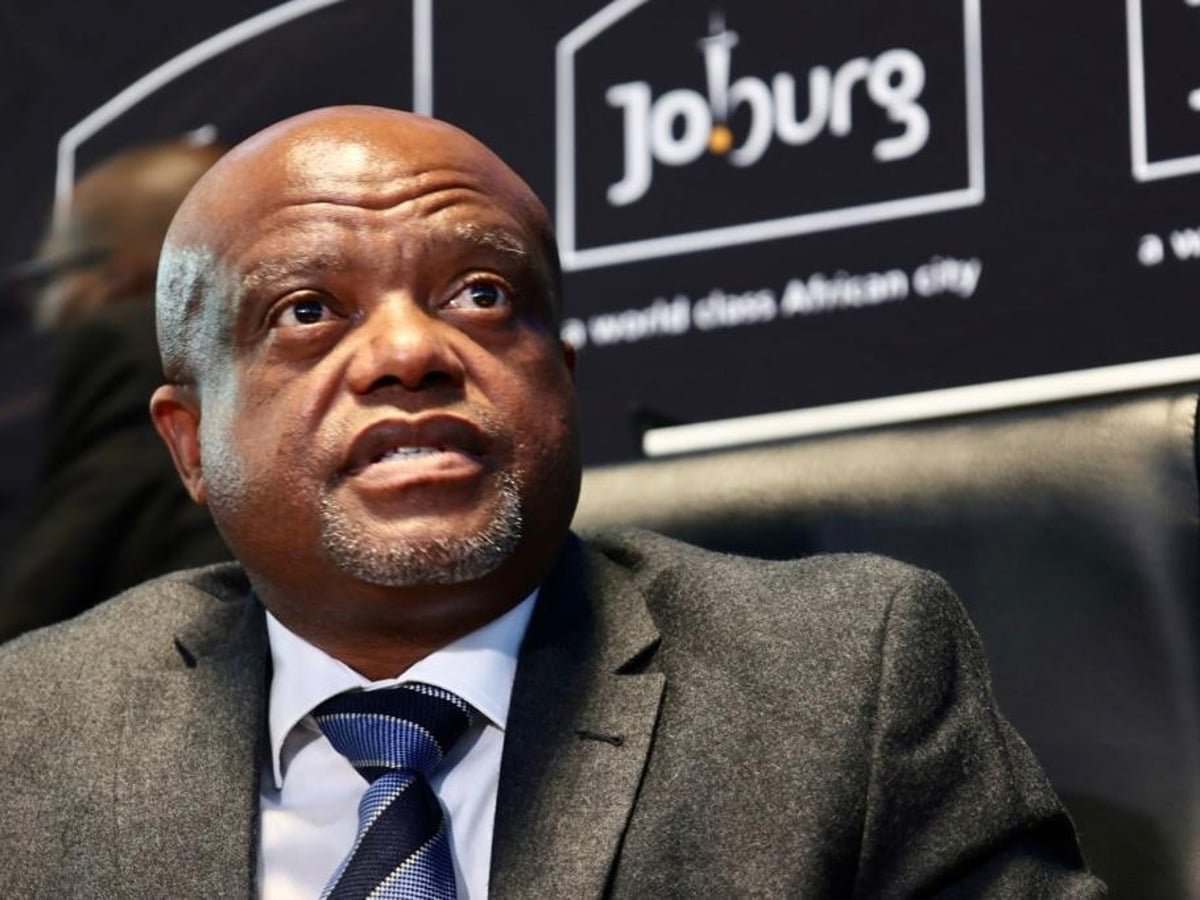
Approximately 125 ANC branches are eligible to participate in the vote, with over 300 delegates set to decide the outcome. The results are expected later this evening, marking a pivotal moment for the ANC in Johannesburg as the city heads into a new political cycle under heightened public scrutiny.
Morero has urged delegates to vote with the city’s financial and governance challenges in mind. He maintains that despite the turbulence, his tenure has been marked by key successes and a commitment to steering Johannesburg in the right direction.
The Road Ahead
Whoever takes over the ANC’s Johannesburg region will inherit a city grappling with financial instability, service-delivery backlogs, and a frustrated electorate. The next leadership will be expected to strengthen revenue collection, reduce irregular expenditure, and enforce tighter governance across municipal departments and entities.
While recent measures indicate some progress, many believe the city’s problems require bold interventions and consistent accountability. With public trust at a low ebb, the ANC’s performance in Johannesburg over the coming years will likely serve as a critical test of its ability to govern effectively in urban metros.
As the conference concludes, the stakes could not be higher: the leaders elected today will not only shape the future of the ANC in Johannesburg but also determine the trajectory of a city struggling to find its financial footing.