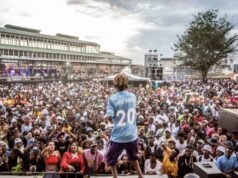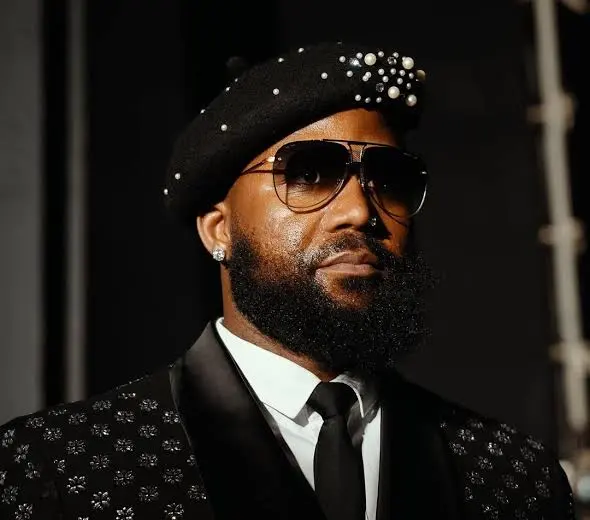
When rapper Cassper Nyovest recently took to the stage at his much-anticipated Fill Up Toyota Stadium concert in Bloemfontein, it wasn’t just the music that got tongues wagging — it was the moment he performed a gospel song that sparked a fierce online debate. The song, which included the lyrics “Jesus is the Alpha and Omega,” triggered backlash from some netizens, who accused the rapper of “performative Christianity.”
🎤 The Controversial Performance
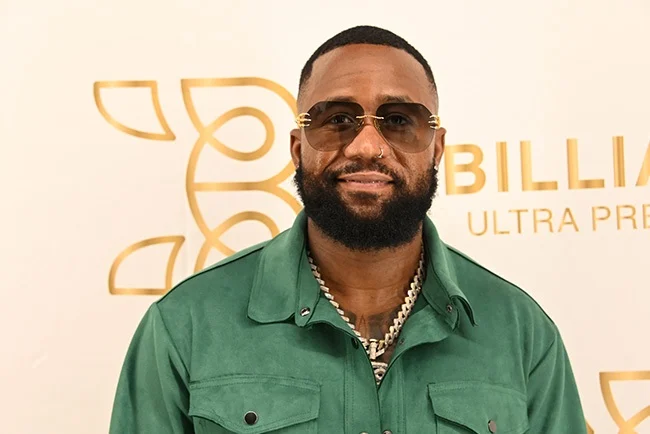
According to local media, a clip of Cassper’s gospel performance was posted on X (formerly Twitter), causing the timeline to erupt. The post read:
“Y’all were right, Cassper Nyovest is doing performative Christianity stuff. His fans will call you a hater for being this honest.”
Comments poured in — many critical, some supportive. One user, @Nokbonga_S, wrote:
“Only dumb people don’t see anything wrong with this.”
The post’s origine llaner, @Lord_Ori_, mockingly shot back: “Cass followers are dumb, I guess.” Another critic, @maphatsoesenyan, chimed in:
“I never liked him and I don’t think I ever will.”
Meanwhile a few defended him, arguing that performing gospel music at a rap concert wasn’t inherently wrong — that it might reflect genuine faith rather than a publicity stunt.
Cassper’s Spiritual Journey
This isn’t Cassper’s first public embrace of Christianity. In late 2023 he described himself as “born again,” saying he had bought his first Bible and was rethinking his life choices.
By 2024, he was even teasing gospel music releases: a track titled Blessed and Highly Favoured appeared online, and he told fans that he planned to include more faith-based songs in his catalogue.
In recent interviews, Cassper said faith and resilience keep him going amid the constant criticism:
“The only peace I have is in Christ … when you start speaking about Christ, it feels like all hell breaks loose.”
He also admitted that public scrutiny — from body-shaming to hate comments — takes a toll, but he chooses to respond with grace rather than retaliation.
The Pushback: Accusations of “Performative Christianity”
Y’all were right, Cassper Nyovest is doing performative Christianity stuff…. His fans will call you a hater for being this honest 😭😭😭😭 pic.twitter.com/K90hHAj2Ns
— ツ Lord Ori (@Lord_Ori_) December 7, 2025
Critics argue that Cassper’s sudden gospel turn at a stadium concert could be a marketing ploy rather than a genuine spiritual awakening. As one social media user put it:
“Cassper might as well hang the mic. From Phuma Kim to whatever this is! Shame.”
Others drew controversial comparisons or suggested that the rapper was trying to emulate international stars known for juggling faith and fame.
At the same time, defenders contend that mixing religious expression with hip hop isn’t unprecedented. They say Cassper has the right to express his beliefs — and that some of the backlash says more about critics than about him.
What Cassper Says: Faith, Culture, and the Stage
In the lead-up to his upcoming Fill Up stadium concert, he opened up about his motives: launching the show is not just about entertainment, he said, but about creating “a platform to save souls.”
Despite the controversy and the financial strain he admitted — explaining that pulling off a stadium concert demands more than what meets the eye — Cassper reaffirmed his commitment to merging music with his faith journey.
In his own words:
“I’m not bigger or better than anyone in the game. I’m not bigger than the game itself. I trust God.”
What This Means for Cassper & South African Hip Hop
Cassper Nyovest’s gospel performance — and the backlash that followed — highlights a growing tension in South African music culture: the collision of faith, identity, artistry, and public expectation. On one side, there’s a demand for raw authenticity; on the other, there’s skepticism toward high-profile expressions of faith, especially when they appear intertwined with fame and profit.
Whether this moment marks a deeper spiritual shift for Cassper — or simply a bold move to broaden his artistic brand — only time will tell. But for now, the debate around him reflects broader questions about authenticity, public perception, and the boundaries between art and belief.