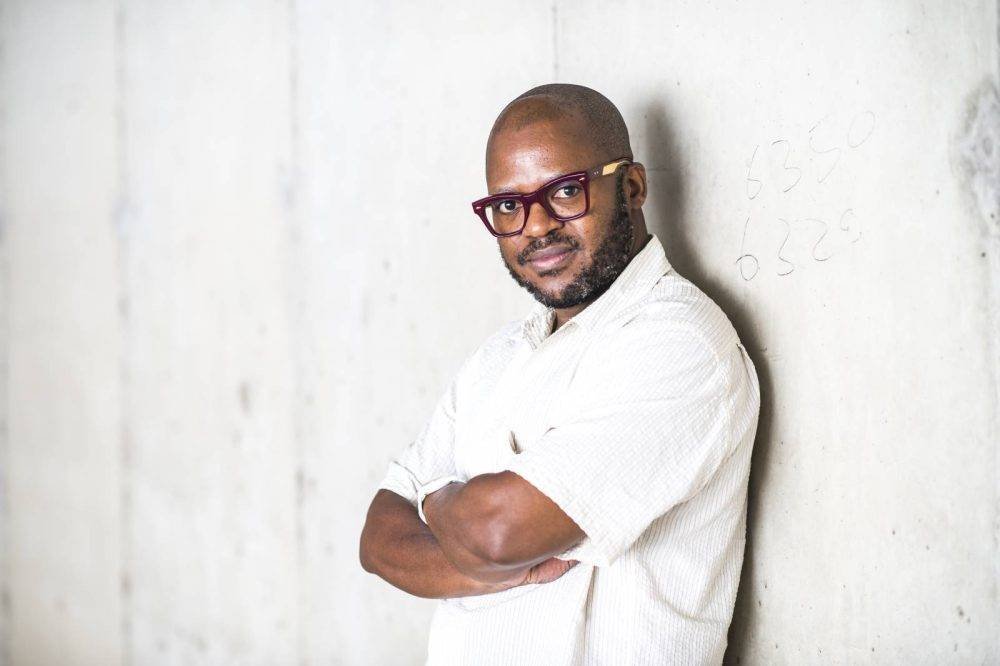
The shocking assassination of Marius van der Merwe — publicly known as “Witness D” at the Madlanga Commission — has drawn sharp condemnation from across South Africa, including from media and marketing veteran Khaya Dlanga. Dlanga expressed horror at the killing, calling it emblematic of a criminal culture that feels untouchable and immune to consequences.
A Witness Silenced: What Happened to “Witness D”
At around 8:30 pm on Friday, 5 December 2025, van der Merwe was gunned down in front of his wife and children outside their home in Brakpan, Gauteng — moments after they arrived and he attempted to open the gate.
Investigators confirmed that the attackers used an AK‑47 rifle, and fled the scene in a white Nissan NP200 bakkie with a canopy.
The killing came just weeks after van der Merwe testified before the Madlanga Commission under the alias “Witness D.” His testimony reportedly detailed a 2022 incident implicating high-ranking officers from the Ekurhuleni Metropolitan Police Department (EMPD) — including suspended acting chief Julius Mkhwanazi — in a murder and subsequent cover‑up.
Given the gravity of his testimony, van der Merwe’s death has sparked outrage and widespread debate about the safety of whistle‑blowers.
Khaya Dlanga’s Reaction: “Casual Arrogance Is Chilling”
On Saturday, 6 December 2025, Dlanga used his social‑media account to react to the killing, voicing his alarm at how “criminals are so brazen in this country.” He added:
“The way they just killed Witness D when the whole country is paying attention to the commission… it’s people who are used to getting away with their criminality and expect no consequences even for this act. The casual arrogance is chilling.”
His reaction reflects a broader surge of anger and fear — a sentiment echoed by many South Africans who worry that such killings will deter future witnesses from speaking out.
National Outrage, Official Response, and What’s at Stake
The government has also responded decisively. Cyril Ramaphosa, President of South Africa, condemned the killing as “heinous,” calling for a thorough investigation and pledging that no stone should be left unturned to bring those responsible to justice.
NATJOINTS — which coordinates security among agencies such as the South African Police Service (SAPS), the Defence Force, and intelligence structures — convened an emergency meeting with the Commission. Officials agreed that witness protection protocols must be urgently overhauled and strengthened.
A spotlight has also fallen on the decision by van der Merwe to decline formal witness protection; he told authorities he believed he could rely on his own security company. Critics now argue that structural failings — not personal choices — are at the heart of the tragedy.
Civic groups such as Public Interest SA have called the murder “a deeply worrying indictment of South Africa’s policing and justice systems,” warning that the killing is likely to deter future whistle‑blowers and stall efforts to expose corruption or abuse.
A Nation on Edge: Why This Murder Resonates So Deeply
That “Witness D” could be murdered — in broad daylight, outside his home, in front of his family — is a sobering signal. It suggests that even those cooperating with a high‑profile judicial inquiry are not safe. For many South Africans, this is more than a tragedy — it is proof that the institutions meant to protect truth‑tellers remain vulnerable.

The killing threatens to overshadow the very purpose of the Madlanga Commission: to root out corruption, political interference, and criminal collusion within the justice system. If people who come forward know their lives can be taken, who will dare to testify?
Voices like Dlanga’s may offer moral clarity and public outrage. But as pressure mounts, so too does the urgency for real, structural reform — starting with robust witness protection, transparent justice, and accountability.
His words — “casual arrogance is chilling” — may well echo across South Africa for years to come.