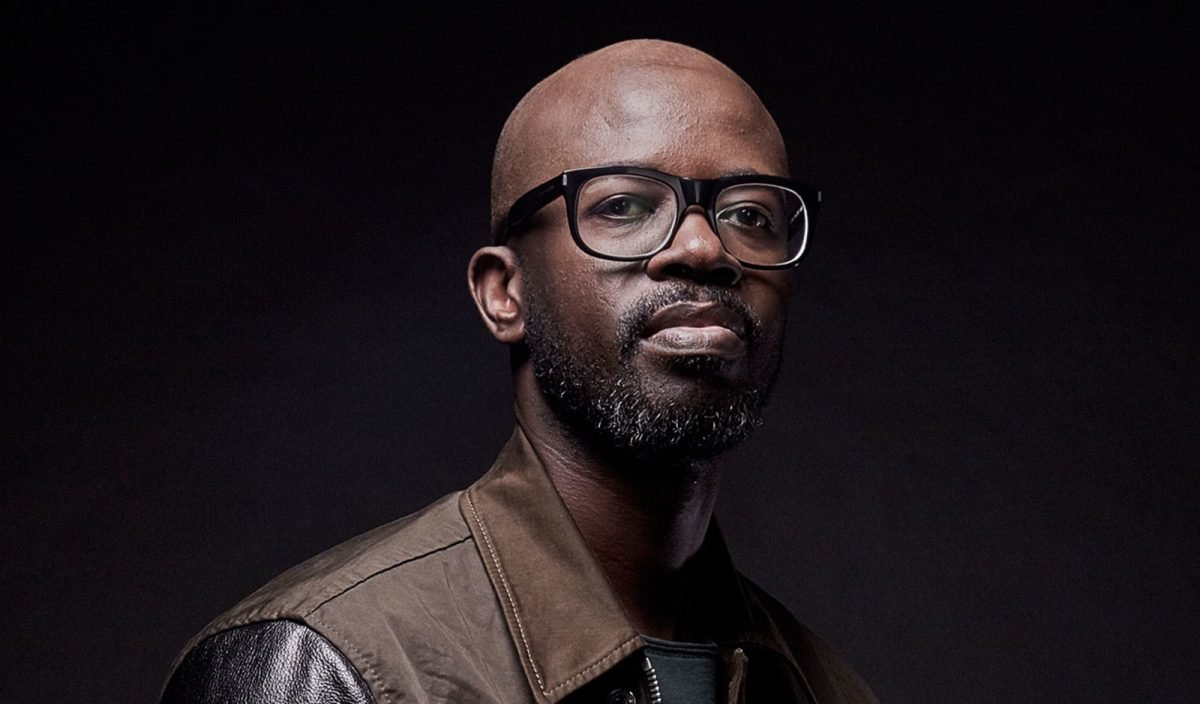
The long-running and highly publicised divorce dispute between international DJ Black Coffee and actress Enhle Mbali Mlotshwa is far from over, after the Supreme Court of Appeal (SCA) granted the Grammy Award-winning musician leave to appeal a crucial ruling that reshaped the legal status of their marriage.
After more than six years of legal wrangling, the decision to allow the appeal marks a major turning point in one of South Africa’s most closely watched celebrity divorce cases. The matter has remained in the public spotlight not only because of the couple’s fame, but also because of the complex legal questions it raises around customary and civil marriages.

Black Coffee, born Nkosinathi Maphumulo, is appealing aspects of an October 2025 judgment handed down by the Gauteng High Court in Johannesburg. In that ruling, the court found that the couple’s alleged customary marriage, said to have taken place in May 2011, was valid and in community of property. At the same time, the court declared their January 2017 civil marriage null and void.
The High Court’s decision had far-reaching consequences, particularly in relation to the division of assets and spousal maintenance. By finding that the customary marriage was valid and in community of property, the court effectively opened the door for a more extensive sharing of assets than would have been the case under a civil marriage governed by an antenuptial contract.
Black Coffee disputes both findings and has now been granted the opportunity to argue his case before the SCA later this year. His appeal centres on two key legal issues that remain sharply contested between the former spouses.
Firstly, the DJ maintains that the trial court erred in concluding that a valid customary marriage ever existed. He argues that the evidence presented during the trial did not establish that the requirements of customary law were properly met, particularly the element of mutual consent. According to his legal position, participation in certain cultural or family-related activities does not automatically amount to consent to a customary marriage.

Secondly, Black Coffee is challenging the spousal maintenance order awarded to Mlotshwa. He contends that the court had no factual basis to grant spousal support, arguing that her financial needs were not sufficiently proven during the proceedings. He has maintained that the maintenance ruling was not supported by the evidence placed before the court.
Enhle Mbali Mlotshwa has opposed the appeal and stands firmly by the original High Court judgment. She argues that the court correctly found that a customary marriage had been concluded in accordance with customary law. According to her stance, Black Coffee’s involvement in family negotiations and traditional processes demonstrated clear intention and consent to enter into the marriage.
On the issue of maintenance, Mlotshwa maintains that the court properly assessed her personal and financial circumstances. She has argued that the spousal maintenance order was both fair and justified, taking into account the lifestyle enjoyed during the relationship and the economic imbalance between the parties following the breakdown of the marriage.
Legal experts have noted that the SCA’s eventual ruling could have implications beyond the personal dispute between the two celebrities. The case touches on ongoing legal debates around how customary marriages are established and recognised, particularly when they overlap with later civil marriages and antenuptial agreements.
The appeal is expected to examine how courts interpret consent, negotiations and cultural practices in customary marriages, as well as how such marriages interact with civil unions entered into years later. Clarity from the SCA could influence future cases involving similar disputes, especially in situations where parties disagree on whether a customary marriage was ever validly concluded.
For Black Coffee and Enhle Mbali, the appeal ensures that their legal battle will continue to unfold under intense public scrutiny. For the broader legal community, the case represents an opportunity for further guidance on the complex intersection of customary law, civil marriage and divorce in South Africa.
As the matter heads back to court, all eyes will be on the SCA to see whether it upholds the High Court’s findings or overturns key aspects of the ruling, a decision that could reshape not only the outcome of this case, but the legal landscape surrounding customary marriages in the country.