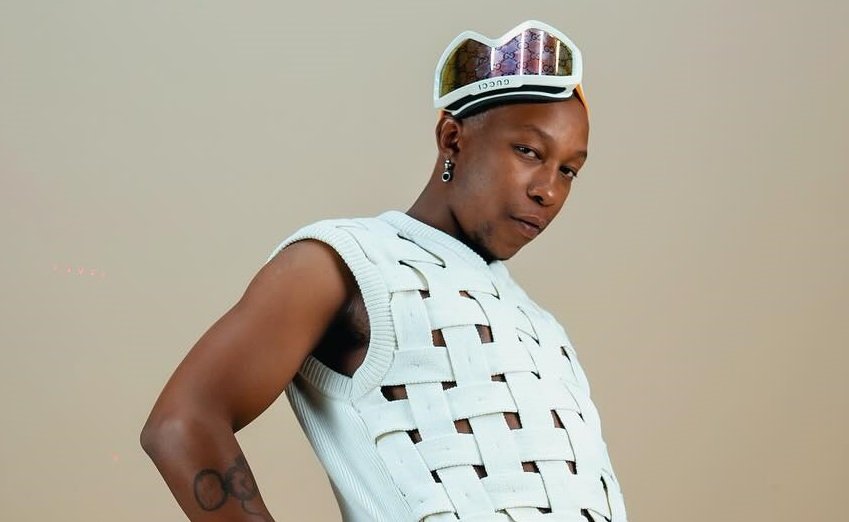
Amapiano hitmaker Pcee has sent shockwaves through his fanbase after revealing that his home was broken into during the night, raising renewed concerns about the safety of artists and public figures in South Africa. The unsettling revelation quickly gained traction on social media, with fans and fellow supporters expressing both relief that the musician is safe and frustration over the country’s ongoing crime challenges.
The Awugazi star first hinted at the ordeal through a brief but emotional post on social media that read, “Mara why liesta soo. (But why you doing like this).” The cryptic message immediately sparked concern among fans, many of whom sensed that something troubling had occurred. Speculation continued until Pcee later confirmed the incident in a follow-up Instagram story.
“Someone broke into my house yesterday night,” the producer wrote, offering no additional details about the break-in. While he did not disclose what was taken or whether he was present at the time, the confirmation alone was enough to alarm supporters who have followed his rapid rise in the Amapiano scene.
The lack of details has left many questions unanswered, including whether the break-in was targeted or opportunistic. However, fans were quick to focus on the most important issue: Pcee’s wellbeing. Messages of support flooded his social media platforms, with many expressing relief that he appeared to be unharmed.
“Yoh, this is scary; glad you’re safe,” one fan commented, while another wrote, “Crime is really out of control, especially for our artists.” Others echoed similar sentiments, highlighting how frequently musicians and entertainers seem to fall victim to crime, particularly as their visibility and success grow.
Some supporters went a step further, urging Pcee to prioritise his personal safety. They encouraged him to invest in stronger security measures, reminding him that material possessions can always be replaced, but lives cannot. The concern reflected a growing awareness that success often comes with increased risk, especially in a climate where crime remains a serious issue.
The incident has also reignited broader conversations about the vulnerability of public figures. As artists gain popularity, their lifestyles often become more visible through social media, unintentionally exposing their movements and personal spaces. Many fans noted that while social platforms help artists connect with audiences, they can also make them targets.
For Pcee, the home invasion comes at a time when his career is on a steady upward trajectory. Known for his infectious Amapiano sound and chart-topping collaborations, he has become one of the genre’s most recognisable names. The incident serves as a stark reminder that fame does not shield artists from the realities faced by ordinary citizens.
Industry observers have noted that incidents like this can take an emotional toll on creatives, affecting not only their sense of safety but also their mental wellbeing. The trauma of having one’s personal space violated often lingers long after the physical damage is repaired. Fans have since encouraged Pcee to take time to process the experience and lean on his support system.
While authorities have not publicly commented on the incident, many online users called for stronger action against crime, particularly crimes affecting artists who contribute significantly to the country’s cultural and creative economy. Some argued that repeated cases involving musicians point to a larger systemic problem that needs urgent attention.
Despite the frightening experience, Pcee’s brief confirmation reassured fans that he is still standing strong. His silence beyond the initial posts suggests a desire for privacy as he deals with the aftermath, a choice many supporters have respected.
Ultimately, the incident has highlighted the fragile line between public success and personal vulnerability. As fans continue to send messages of encouragement and prayers, one thing is clear: Pcee’s safety matters far more than any material loss. The hope among supporters is that this experience will lead to greater awareness, improved security, and renewed conversations about protecting artists both on and off the stage.