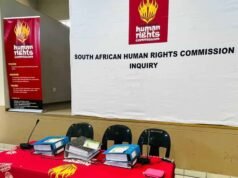
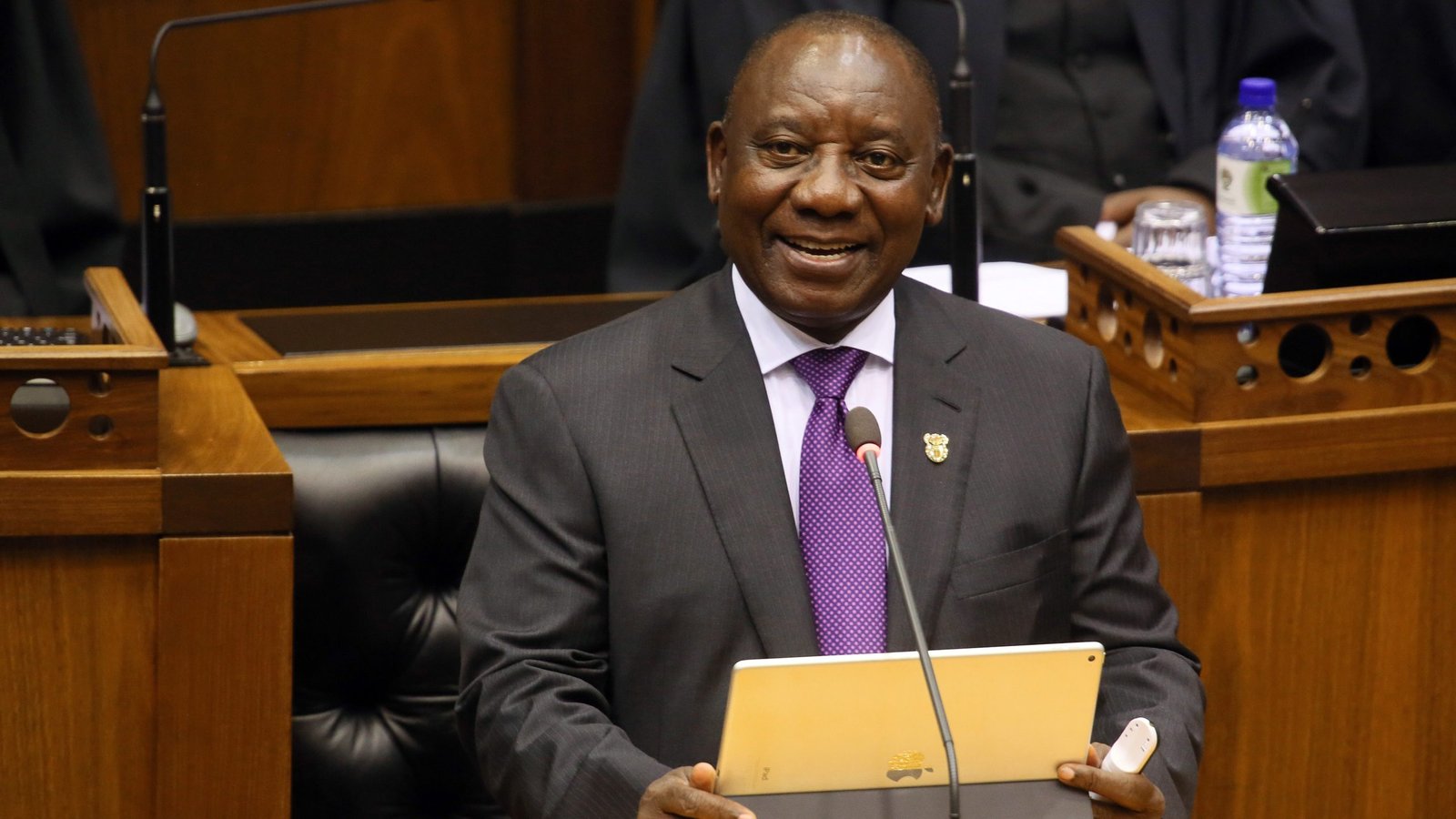
President Cyril Ramaphosa has officially approved TRC six-month extension for the commission of inquiry tasked with examining delays and alleged political interference in the prosecution of apartheid-era crimes. The extension comes amid significant setbacks that have prevented the commission from making meaningful progress within its initial timeframe.
The inquiry, established to revisit unresolved matters related to the Truth and Reconciliation Commission (TRC), was originally expected to conclude its work within six months, ending in November. However, despite months having passed since its formation, the commission has not yet heard testimony from its first witness. Its work has been severely hampered by difficulties in obtaining essential documentary evidence, much of which is critical to determining whether political actors obstructed the pursuit of long-pending apartheid-era cases.
Presidency spokesperson Vincent Magwenya explained that President Ramaphosa took these complications into account when making the decision to grant the extension. “President Ramaphosa has recognised that the commission started its work late, that there are outstanding documentary responses; that there will be applications for cross-examination, and that the commission will be in recess from mid-December 2025 to early January 2026. The president has accordingly amended the terms of reference to provide that the commission must complete its work on 29 May 2026 and submit its report by 31 July 2026,” Magwenya said.
The commission’s mandate is both sensitive and historically significant. It is charged with investigating why certain apartheid-era human rights violations—identified decades ago by the TRC—have still not resulted in prosecutions. Families of victims, civil society groups, and legal experts have long argued that justice has been delayed for far too many, and in some cases, intentionally obstructed. Many have pointed fingers at successive administrations, claiming that political pressure or interference may have influenced the National Prosecuting Authority’s reluctance or failure to pursue cases involving apartheid security operatives.
The newly granted extension is expected to provide the commission with enough time to gather the outstanding documents, interview witnesses, and process anticipated applications for cross-examination. Experts say this timeframe is tight but more realistic, considering the complexity of the material the commission must navigate—much of which spans decades and includes archived state security files, classified documents, and testimonies from aging or reluctant witnesses.
In addition to the administrative hurdles, the commission also faces the challenge of managing public expectations. Many families of victims have expressed frustration with the slow progress, noting that some witnesses and relatives have already passed away before seeing justice served. Human rights organisations have supported the extension but emphasised that the process must remain transparent and free from the very political interference it is meant to investigate.
The recess period from mid-December 2025 to early January 2026—typical for commissions of this nature—would have further compressed the inquiry’s timeline had the presidency not intervened. With the new deadline in place, the commission now has a clearer runway to conduct its proceedings without being rushed or compromising the quality of its work.
As South Africa continues to confront the unresolved injustices of its past, the outcome of this inquiry will likely carry significant weight. Its findings could influence future prosecutions, reshape public understanding of transitional justice, and determine whether the state adequately honoured the commitments made during the TRC process. For many, the extension signals that the presidency acknowledges the importance of the inquiry and the need to ensure its work is thorough, credible, and complete.
The commission is now expected to finalise its investigation by 29 May 2026 and deliver its full report to President Ramaphosa by 31 July 2026, marking what could be a crucial moment in South Africa’s ongoing journey toward truth and accountability.