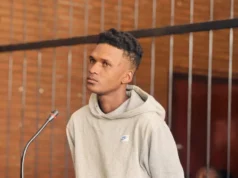
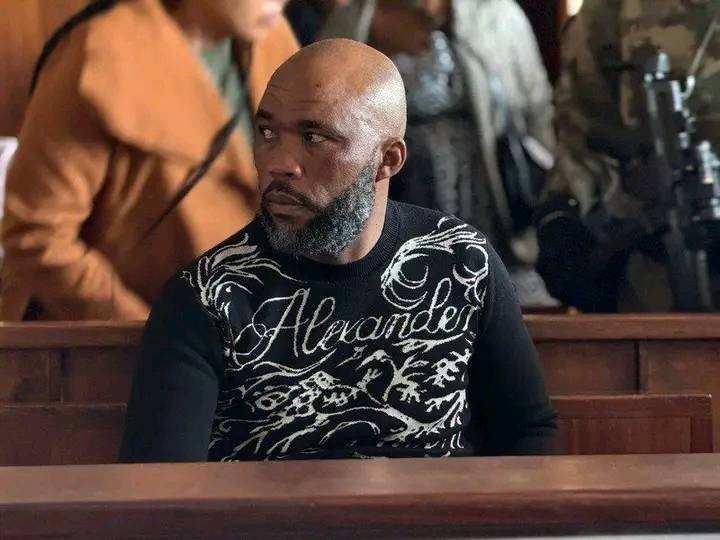
Tebogo Thobejane has spoken out powerfully and emotionally after witnessing a wave of online admiration directed at her former boyfriend, Vusimuzi “Cat” Matlala — despite him being behind bars and awaiting trial for allegedly plotting to have her assassinated. The sudden glorification of Matlala began after he appeared before Parliament’s ad hoc committee, where footage and photos of him unexpectedly turned him into a social-media favourite overnight.
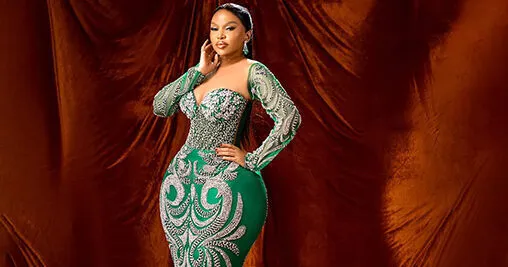
Women across various platforms openly swooned over Matlala’s looks and confidence, flooding comment sections with compliments that deeply unsettled Tebogo, who remains the alleged target of the violent crime he is accused of orchestrating. Shocked by the reactions, she took to Instagram on 2 December 2025 to express her disbelief and raise concerns about what she believes may be a deliberate attempt to reshape public sentiment.
A Painful Shift in Public Reaction
In her series of Instagram stories, Tebogo suggested that the sudden outpouring of admiration did not feel natural. She questioned how a man once widely feared was now being praised as if his serious charges were irrelevant or forgotten.
“My intuition is loud: something here doesn’t add up,” she wrote. “When the whole nation suddenly loves someone they once feared, it usually means the narrative is being managed behind the scenes.”
Tebogo hinted that online admiration campaigns can be orchestrated, pointing to how easily blogs and social platforms can be used to shift public opinion. She said the tone of the country seemed to change “overnight,” noting how quickly people forget the real-life trauma and danger connected to these cases.
The Trauma Behind the Story
Tebogo’s frustration reflects her own lived experience. The alleged plot against her left her deeply shaken, prompting her to relocate for her safety and attempt to rebuild her life away from the constant threat. To her, the sudden wave of praise for Matlala feels like a betrayal — not only to her, but to victims of violence across the country who watch their abusers turned into internet celebrities.
She reminded followers that this is not a fictional crime drama or a trending storyline. It is a case rooted in real violence, real fear, and real losses. “We forget the real crimes, the people who were hurt, and the lives that were lost,” she wrote. “We let power rewrite the truth right in front of us.”
A Warning About Manipulated Narratives
In another part of her statement, Tebogo expressed concern over how easily South Africans accept narrative changes without questioning them. She said she has seen firsthand how stories get twisted “to protect the right people,” and how the public becomes numb to this manipulation.
“We watch the story being rewritten in real time, and somehow, we accept it,” she said.
She emphasised that people should think critically when public sentiment shifts too suddenly — especially in cases involving violence, gender-based crimes, and power. Tebogo made it clear that no amount of image-polishing or internet admiration can erase what she endured.
“It’s easy to laugh and move on, but real crimes happened, and real people suffered,” she wrote. “PR can clean an image, but it can’t fix what was destroyed.”
A Call for Awareness and Compassion
Tebogo closed her message by reminding the public that while social media often glamorises the wrong people, survivors of violence continue to carry the emotional and physical scars long after the headlines fade. She encouraged people to stay grounded in reality and to challenge narratives that trivialise trauma.
“At the end of the day, prayer is the only thing we have,” she wrote. “Because God sees everything.”
Her words serve as a stark reminder of how dangerously fast society can shift from condemning violent behaviour to glamorising the accused — and how important it is to stand with victims rather than trends.