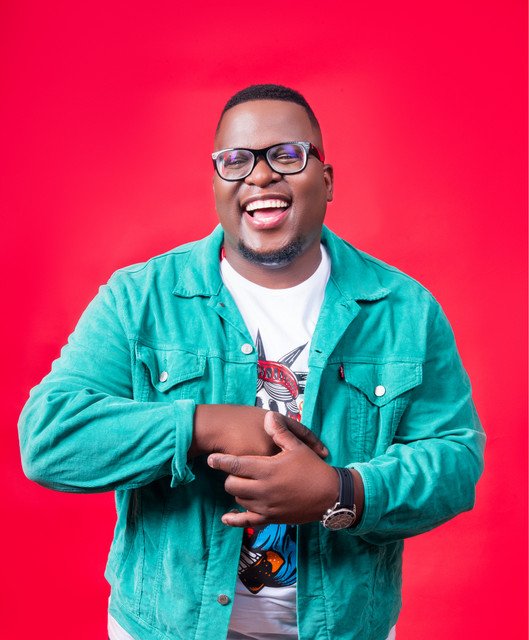
Media personality Sol Phenduka has once again stirred the pot, this time by publicly pledging that he would “die for” his country — a statement that has triggered a wave of debate across social media. During a recent episode of Podcast and Chill with MacG, the co-host was asked whether he’d be willing to take up arms for South Africa. Without hesitation, he answered: “I’d join the SA Army for my country.”
In a follow-up post on X (formerly Twitter), he doubled down, writing:
“I love 🇿🇦. I’m willing to die for this flag. If an enemy is at the gate, I’m enlisting the second my country calls. Country duty.”
The bold declaration has — unsurprisingly — sparked polarized reactions online. While many commended his patriotism, invoking themes of loyalty and national pride, others questioned whether such drastic measures are necessary or realistic.
Why his statement matters — and why people care
Platform and influence. Podcast and Chill, which Sol Phenduka co-hosts, remains one of South Africa’s most listened-to podcasts. In fact, in 2024 and 2023, the show ranked as the most-streamed South African podcast on Spotify.
Complex legacy. Sol Phenduka’s public persona is not without controversy. In 2025 alone, he has faced criticism and fallout — including a suspension and eventual firing from radio station Kaya 959 — following remarks he and his co-host made on the podcast about actress Minnie Dlamini.
Public pattern of provocateur behaviour. He has frequently sparked debate on social media — whether through outspoken commentary on public issues or controversial interactions with other public figures.
Given this background, many view his latest patriotic statement as more than mere bravado — some see it as reflective of genuine conviction, others as another attention-grabbing moment.
What supporters and critics are saying
Supporters of Sol Phenduka have praised him for his love of the nation and readiness to serve, highlighting:
A sense of patriotism and commitment — some fans argue that public figures like Phenduka should show unwavering devotion to the country.
Symbolic value — in a time where many feel pessimistic about South Africa’s future, statements like his can resonate as a call to collective pride and responsibility.
Critics, on the other hand, raise concerns:
Realism vs symbolism — some question whether the willingness to “die for the flag” is meaningful or just theatrical. How many people understand what actually serving or fighting would entail in reality?
History of controversy — given his recent suspension and problematic remarks in 2025, some feel his patriotic sentiment doesn’t outweigh past behaviour.
Glorification of violence — the notion of war and military enlistment can be troubling in a nation still grappling with inequality, political instability, and social unrest.
Overall, public reaction has been sharply divided along those lines.
Context: why this echoes bigger debates in South Africa
Phenduka’s statement doesn’t occur in a vacuum. In recent months, the role of podcasts and online media in shaping public discourse in South Africa has come under scrutiny. Shows such as Podcast and Chill are powerful — they reach millions, influence opinions, and often skirt the boundaries between entertainment and provocative commentary.
At the same time, controversies like the one involving Minnie Dlamini have reignited conversations about accountability, respect for dignity, and the responsibilities of public figures.
In that environment, declarations of unconditional patriotism — especially with the language of “dying for the flag” — can be deeply symbolic, but also divisive. They tap into national pride, but also risk being dismissed as empty rhetoric given the past.
What’s next — and why people should watch carefully
With this clear declaration, all eyes are now on how Sol Phenduka and his platforms will follow up. Will he use this renewed patriotic stance as a basis for advocacy — perhaps promoting civic engagement or social unity? Or will it simply be another headline in a string of controversial statements aimed at keeping public attention?
For followers of South African media and culture, there’s more at stake than just one person’s words: this is about the tone and influence media personalities wield in shaping conversations around national identity, responsibility, and what it means to love one’s country.