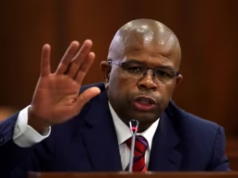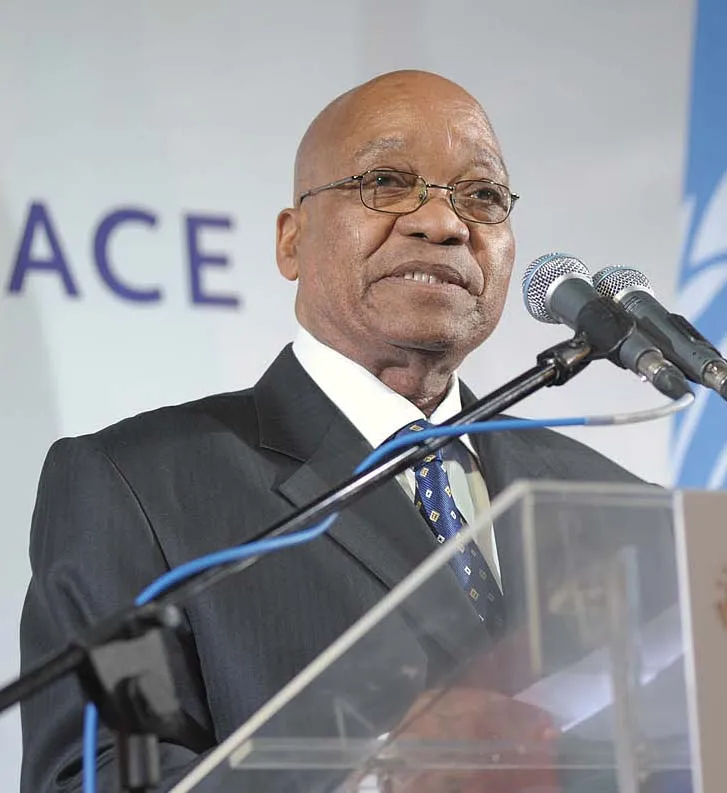
The spotlight was back on Jacob Zuma this week as he returns to the Gauteng High Court in Pretoria in a bid to overturn a ruling that orders him to repay R28.9 million in legal fees. The funds were spent by the state to defend him in years of private litigation — notably his long‑running arms‑deal prosecution.
Zuma’s lawyer, Thabani Masuku, told Judge Anthony Millar on Monday that Zuma was merely the beneficiary of state‑paid legal fees, not the person who orchestrated them. He argued that the real culpability lies with state officials and the State Attorney — the ones who approved and authorised the payments. Masuku asked the court to require those officials to repay the funds instead of holding Zuma personally liable.
What the Court Ordered — and Why Zuma Is Protesting
The repayment order dates to 22 October 2025, when the Gauteng High Court — acting on earlier rulings by the Supreme Court of Appeal (SCA) — held that taxpayer funds should not have been used to cover Zuma’s private legal defence. The court said Zuma must reimburse R28,960,774.34, plus interest calculated at the statutory rate.
If Zuma fails to settle the debt within 60 days, the judgment allows the State Attorney to issue writs of execution — meaning his movable and immovable assets could be sold, and even his presidential pension could be attached.
Masuku pressed Judge Millar on Monday to grant leave to appeal the ruling — either before a full bench of the High Court or the SCA — arguing that those courts might view the matter differently.
Zuma’s Defence: “An Innocent Recipient of Unlawful Payments”
Masuku argued that the repayment order wrongly penalises Zuma for what he described as the state’s unconstitutional act: unlawfully subsidising his legal defence. He said that while the SCA declared the funding unlawful, it never clearly specified that Zuma — rather than the State Attorney or the Presidency — should personally reimburse the money.
In Masuku’s view, holding Zuma liable is “mean and vicious,” targeting an easy defendant rather than the officials who made the decision. He characterised his client as an “innocent recipient” of state funds rather than a wrongdoer.
The argument also underscores a perceived contradiction: the very institutions that once defended and facilitated the payments are now demanding repayment from the beneficiary.
The State’s Case and Public Accountability
On the other side, counsel for the Presidency and the State Attorney — George Avakoumides — told the court that previous rulings were clear: the money must be paid back by Zuma. They argued that it is not the court’s role to re‑examine substantive issues already concluded by earlier courts. “It is clear that it is he who has to pay the money back,” Avakoumides said.
Supporters of the decision — including the Democratic Alliance (DA) — say the ruling reinforces the principle that no one is above the law, even former presidents. The DA views the ruling as a win for accountability and protection of public funds.
The Dispute Over Who Should Be Held Accountable
At issue is not just the money — but the principle of responsibility and accountability. Zuma’s camp argues that the state, not him, authorised unlawful expenditure. They say it is unfair and unconstitutional to force him to repay money he did not demand and did not control.
The state’s side counters that regardless of who signed off on the payments, Zuma ultimately benefited and must repay — a simple, enforceable way to recoup state losses.
As the leave-to-appeal application moves through the courts, both sides agree on one thing: a decision either way will have far-reaching implications for how public funds are managed — and who is held accountable when state resources are misused.