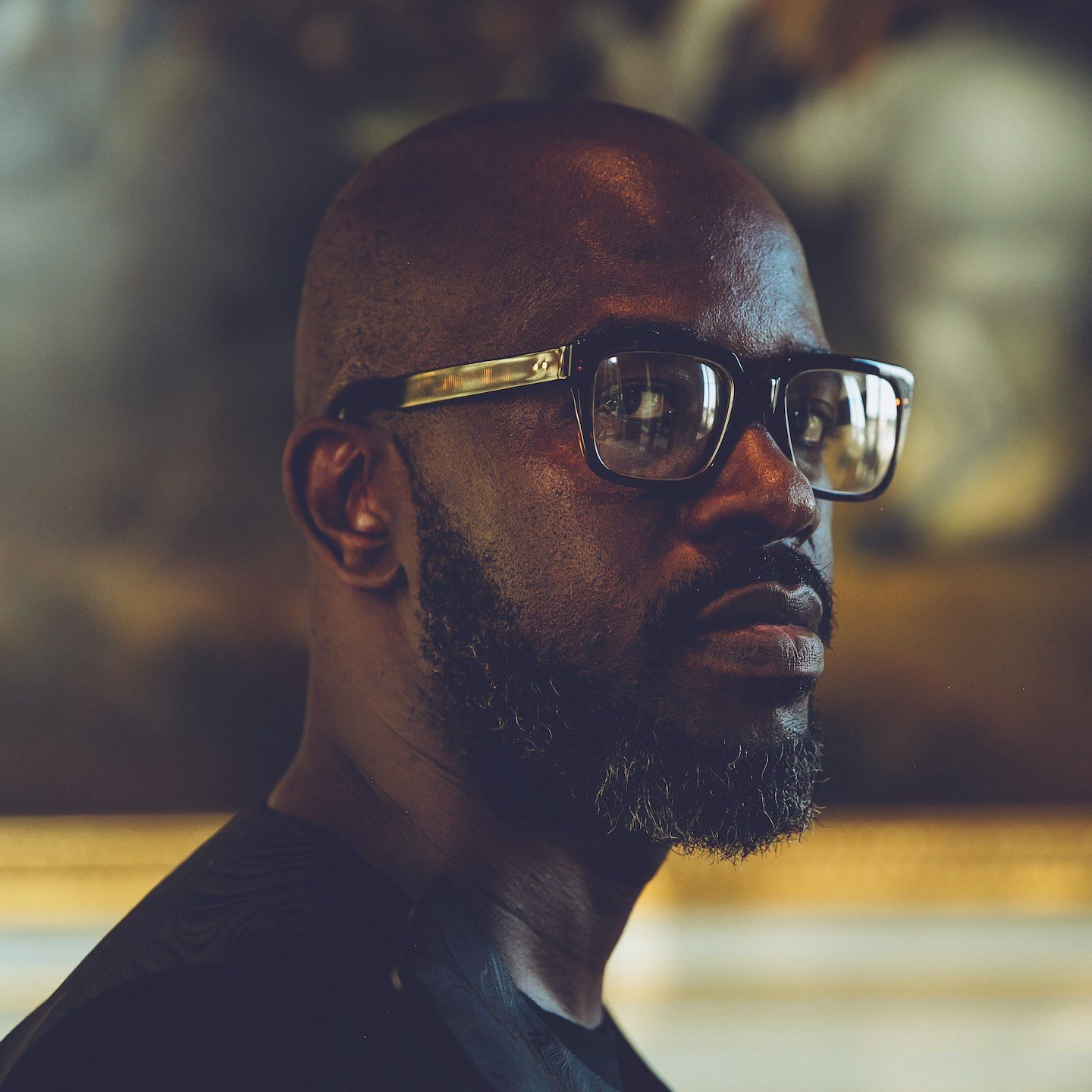
South African DJ and producer Black Coffee (real name Nkosinathi Maphumulo) has filed an urgent application in the High Court demanding that music executive Nhlamulo ‘Nota’ Baloyi remove a series of posts that he describes as “false, defamatory and damaging,” and to publish a public apology — worded exactly as Maphumulo prescribes.
The court papers, lodged in Johannesburg under case number 2025-223513, follow a string of social-media allegations by Baloyi in which he accused Black Coffee of “keeping criminal company,” abusing people, hiding assets during his high-profile divorce, and engaging in suspicious financial dealings including a purported “R157 million mansion” deal.
Black Coffee — who recently revealed in divorce proceedings that his net worth exceeds R1 billion — argues that the posts have tarnished his reputation and could cause lasting damage to his career and brand. He wants the statements declared unlawful and defamatory, seeks immediate removal, and insists on a public apology.
He first approached the court with an urgent application without notifying Baloyi (a so-called “ex parte” approach), but later filed a second application after Baloyi became aware of the proceedings.
Baloyi fights back: “Not defamation — public discourse”
In response, Baloyi says the case is not about defamation, but about “muzzling public discourse” on issues he believes affect society. He contends his posts were either factual or constitute fair comment — protected under the right to freedom of expression.
Further, Baloyi accuses Black Coffee of trying to intimidate him — claiming the DJ even contacted his mother directly. In his counter-application, Baloyi is seeking punitive legal costs against Black Coffee and wants damages of R25 000 for the emotional distress allegedly caused to his mother. He also wants a court order preventing Black Coffee and his team from contacting him or his family directly, insisting that all communications go through legal channels.
Baloyi challenges the urgency of the case, pointing out that the posts had been online for several weeks before Black Coffee took action. He argues that the DJ is using the courts to “harass and bankrupt” him, and has requested a postponement so that he can obtain documents which he believes support his claims.
This isn’t the first time Baloyi has faced legal trouble over his statements
Baloyi is no stranger to defamation suits. In 2023, a court ordered him to pay damages after he made defamatory statements against fellow DJ Shimza (real name Ashley Raphala) — ruling that his claims were unsubstantiated.
More recently, earlier in 2025, the South African Human Rights Commission (SAHRC) instituted proceedings against Baloyi for alleged hate speech after he described white people as “inferior species” on a podcast.
Those developments add context: Baloyi has a track record of controversial statements — some of which have already attracted legal consequences and public backlash.
What’s at stake — for reputation, speech and broader consequences
For Black Coffee, the case is about protecting his legacy, assets, and public reputation. The stakes are high: as a global music icon with a multi-million-rand net worth, any public association with criminality or misconduct could damage endorsement deals, future projects, and his standing in the industry.
For Baloyi, this is about his right to speak freely and to question powerful public figures. He frames his posts as part of public discourse on wealth, privilege and accountability in an era where inequality and corruption remain sensitive topics.
But given his history, the court must now balance competing rights: the right to dignity and reputation for Black Coffee, against the constitutional right to freedom of expression and public interest commentary for Baloyi.
What’s next
The matter now heads to court, where judges will need to decide whether the posts should be removed, retracted, and publicly apologised for — or whether they fall within lawful criticism and commentary. Both sides are pushing for sharp outcomes: Black Coffee for vindication and restoration of his name; Baloyi for affirmation of his freedom to speak.
How the court rules could have broader implications — not just for the two men, but for how South Africa’s courts handle defamation, public critique and accountability in the entertainment and public-figure space.