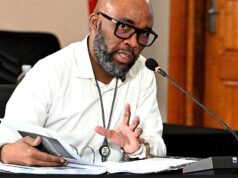
Senior figures within the March and March movement say they delivered a firm message to Democratic Alliance veteran Helen Zille during a recent meeting, urging the party’s ministers to take immediate action against illegal immigration and its impact on public services.
According to representatives who attended the engagement, the movement emphasized that DA-led departments, particularly Home Affairs and Basic Education, have a responsibility to ensure that limited state resources are directed toward South African citizens and lawful residents. The group argued that increasing pressure on schools, healthcare facilities and other public services has intensified concerns among communities across the country.
Movement leaders presented several proposals aimed at strengthening immigration enforcement. Among the recommendations were calls for stricter monitoring of undocumented foreign nationals, improved border management systems, enhanced verification processes for access to public services, and a review of refugee and asylum application procedures. They contend that weaknesses in the current system have contributed to growing public frustration over illegal immigration.
Sources present at the meeting described the discussion as frank and, at times, tense. Some participants claimed that Zille initially appeared dismissive of their concerns and lacked detailed knowledge of the challenges communities face regarding undocumented migration. However, they said the conversation became more constructive as it progressed, with both sides exchanging views on possible policy responses and enforcement measures.
The meeting has also sparked debate within the Democratic Alliance itself. Some party insiders reportedly questioned why Zille took part in the engagement without a formal mandate from the party leadership. Critics argue that while Zille remains one of the DA’s most influential figures, she no longer occupies the party’s top leadership position and should not be acting independently on politically sensitive matters.
Others within the party believe engagement with civic groups and community organisations is necessary, particularly on issues that have become increasingly prominent in public discourse. Illegal immigration, border security, unemployment and pressure on public services have all emerged as major concerns for many South Africans in recent years.
Zille has defended her decision to meet with the movement, stating that the request came from March and March leader Jacinta Ngobese-Zuma. She maintained that dialogue is essential in a democratic society and noted that she regularly engages with individuals and organisations whose views differ from her own.
The meeting comes at a time when immigration policy remains a highly contested issue in South Africa. Government officials continue to face calls for stronger border controls, improved immigration management and more effective enforcement against undocumented migration. At the same time, human rights organisations have urged authorities to balance enforcement measures with constitutional protections and international obligations toward refugees and asylum seekers.
Attention is now focused on the 30 June deadline announced by the March and March movement, which has called for undocumented immigrants to leave the country. As that date approaches, pressure is expected to mount on political leaders, government departments and law enforcement agencies to clarify their positions and outline how immigration laws will be enforced.
The debate highlights the broader challenge facing South Africa: balancing national security, economic realities, public service capacity and humanitarian responsibilities in an increasingly complex migration environment.