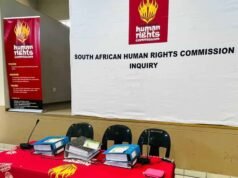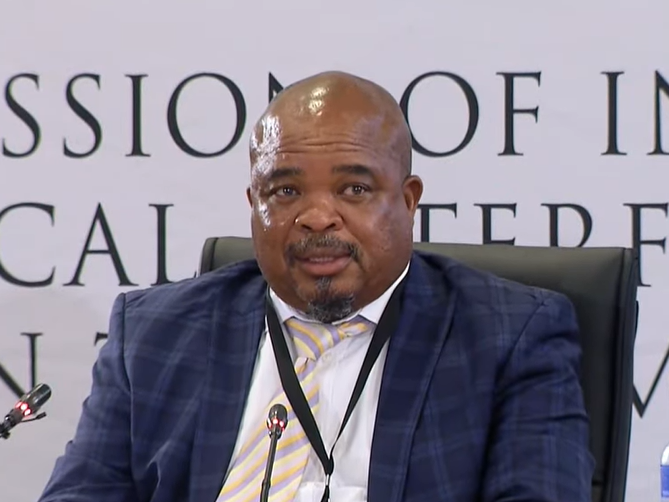
The Madlanga Commission is expected to intensify its investigation into the handling of seized narcotics on Monday when it examines evidence relating to the high-profile R300 million cocaine bust in Aeroton, Gauteng.
The commission, established to investigate allegations of misconduct, corruption, and failures in the management of seized drugs by law enforcement agencies, is continuing its scrutiny of several major narcotics cases that have exposed serious concerns about evidence security and accountability within South Africa’s criminal justice system.
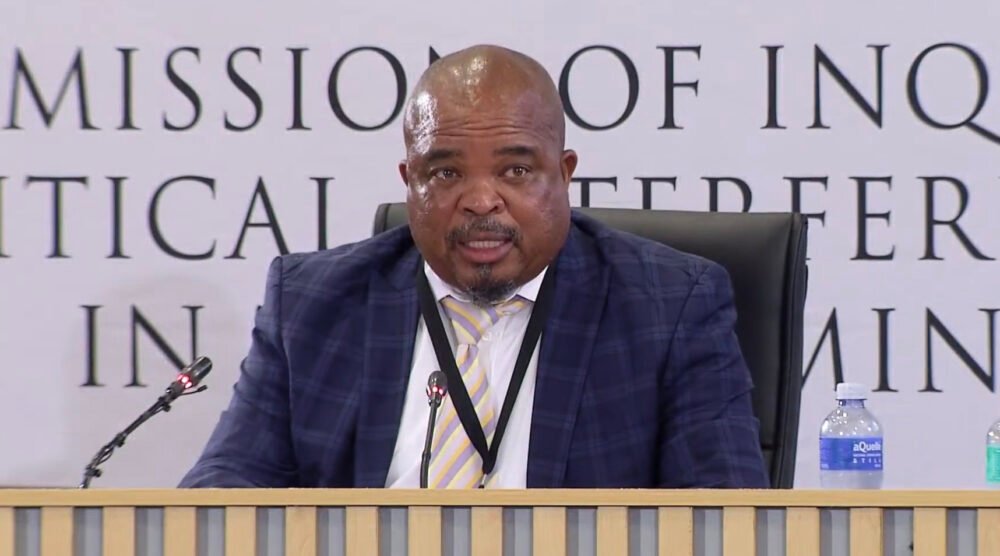
Lieutenant Colonel Nkoana Joseph Sebola is scheduled to testify before the commission as investigators seek clarity on the circumstances surrounding one of the country’s largest cocaine seizures in recent years.
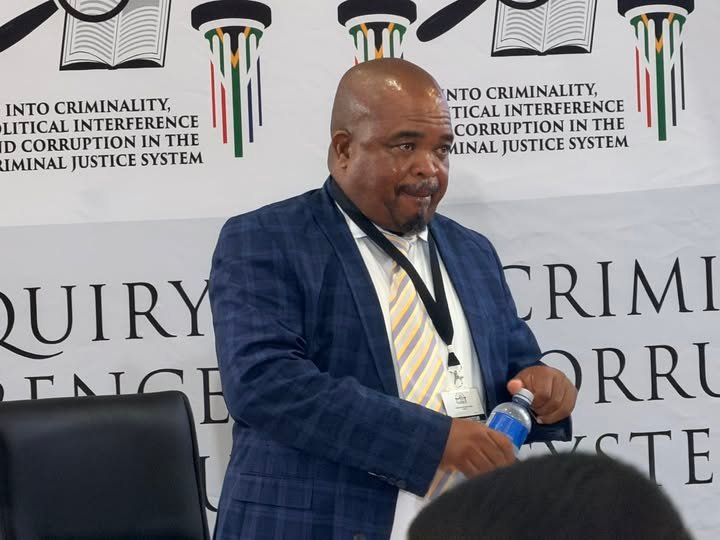
The Aeroton Drug Bust
The inquiry will focus on a July 2021 operation in Aeroton, south of Johannesburg, during which authorities intercepted a truck transporting approximately 751 kilograms of cocaine allegedly destined for distribution within South Africa and international markets.
The shipment, believed to have originated from Brazil, had an estimated street value of around R300 million, making it one of the most significant drug interceptions recorded by South African law enforcement agencies.
At the time, the operation was hailed as a major victory against organised crime and international drug trafficking networks. However, questions have since emerged regarding what happened after the seizure and whether proper procedures were followed in safeguarding the evidence.
The commission is now examining the chain of custody, storage arrangements, and oversight mechanisms that were put in place once the narcotics came under police control.
Growing Concerns Over Drug Evidence Security
The Aeroton investigation forms part of a broader inquiry into allegations that seized narcotics have been stolen, tampered with, or improperly managed while in the custody of law enforcement agencies.
Over recent weeks, commissioners have heard testimony highlighting weaknesses in the systems used to store and monitor high-value drug exhibits. These concerns have raised questions about whether criminal syndicates may have exploited vulnerabilities within police facilities and evidence management processes.
The inquiry has focused particularly on operations in Gauteng and KwaZulu-Natal, where several cases involving missing or compromised drug evidence have come under scrutiny.
Investigators are attempting to determine whether these incidents resulted from negligence, inadequate security protocols, administrative failures, or deliberate criminal conduct involving individuals entrusted with safeguarding evidence.
Port Shepstone Cocaine Theft Under Scrutiny
Alongside the Aeroton matter, the commission has also been examining the theft of cocaine with an estimated value of approximately R200 million from Hawks offices in Port Shepstone, KwaZulu-Natal.
The incident has become one of the most troubling aspects of the inquiry, as it involves narcotics that were already under the control of specialised law enforcement units tasked with combating organised crime.
The disappearance of such a substantial quantity of cocaine has raised concerns about internal controls, security measures, and the effectiveness of oversight within agencies responsible for investigating drug-related offences.
Commissioners are expected to explore whether the two cases reveal broader systemic weaknesses in the management of seized narcotics across the country.
Contradictions and Security Failures
Last week, testimony from Colonel Gavin Jacob drew significant attention after he acknowledged discrepancies and inconsistencies relating to the handling of the Aeroton cocaine seizure.
Particular concern centred on the decision to store the drugs at a facility that has been described as inadequately secured. The choice of storage location has become a critical focus of the commission’s investigation, with commissioners seeking to understand why stricter safeguards were not implemented given the enormous value of the seizure.
The commission is examining whether established protocols were followed and whether officials responsible for the evidence exercised appropriate judgment in protecting the narcotics from theft, tampering, or unauthorised access.
Testimony heard thus far has highlighted apparent contradictions regarding decision-making processes, documentation, and responsibility for safeguarding the seized cocaine.
Organised Crime and Corruption Concerns
The inquiry is also taking place against the backdrop of growing concerns about the influence of organised crime networks and the potential for corruption within law enforcement structures.
Drug trafficking remains one of the most profitable criminal enterprises globally, with criminal syndicates often seeking to infiltrate institutions responsible for investigating and prosecuting such crimes. Experts have long warned that weaknesses in evidence management systems create opportunities for both criminal exploitation and corruption.
The commission is therefore not only investigating what happened in specific cases but also whether broader reforms are required to strengthen accountability and prevent future incidents.
Among the issues expected to receive attention are evidence storage standards, chain-of-custody procedures, surveillance systems, internal audits, and disciplinary mechanisms for officials who fail to comply with established protocols.
Calls for Reform
The revelations emerging from the commission have prompted renewed calls for stronger safeguards governing the handling of seized narcotics and other high-value evidence.
Legal experts and anti-corruption advocates argue that maintaining the integrity of evidence is essential to securing successful prosecutions and preserving public confidence in the criminal justice system.
Any failure to properly safeguard seized drugs not only undermines investigations but also risks allowing criminal organisations to recover valuable contraband and continue their operations.
As the commission continues its work, testimony from key witnesses is expected to shed further light on the circumstances surrounding both the Aeroton seizure and the Port Shepstone theft.
The findings could ultimately influence significant reforms aimed at strengthening law enforcement accountability, improving evidence management practices, and ensuring that seized narcotics remain secure from the moment they are confiscated until criminal proceedings are concluded.