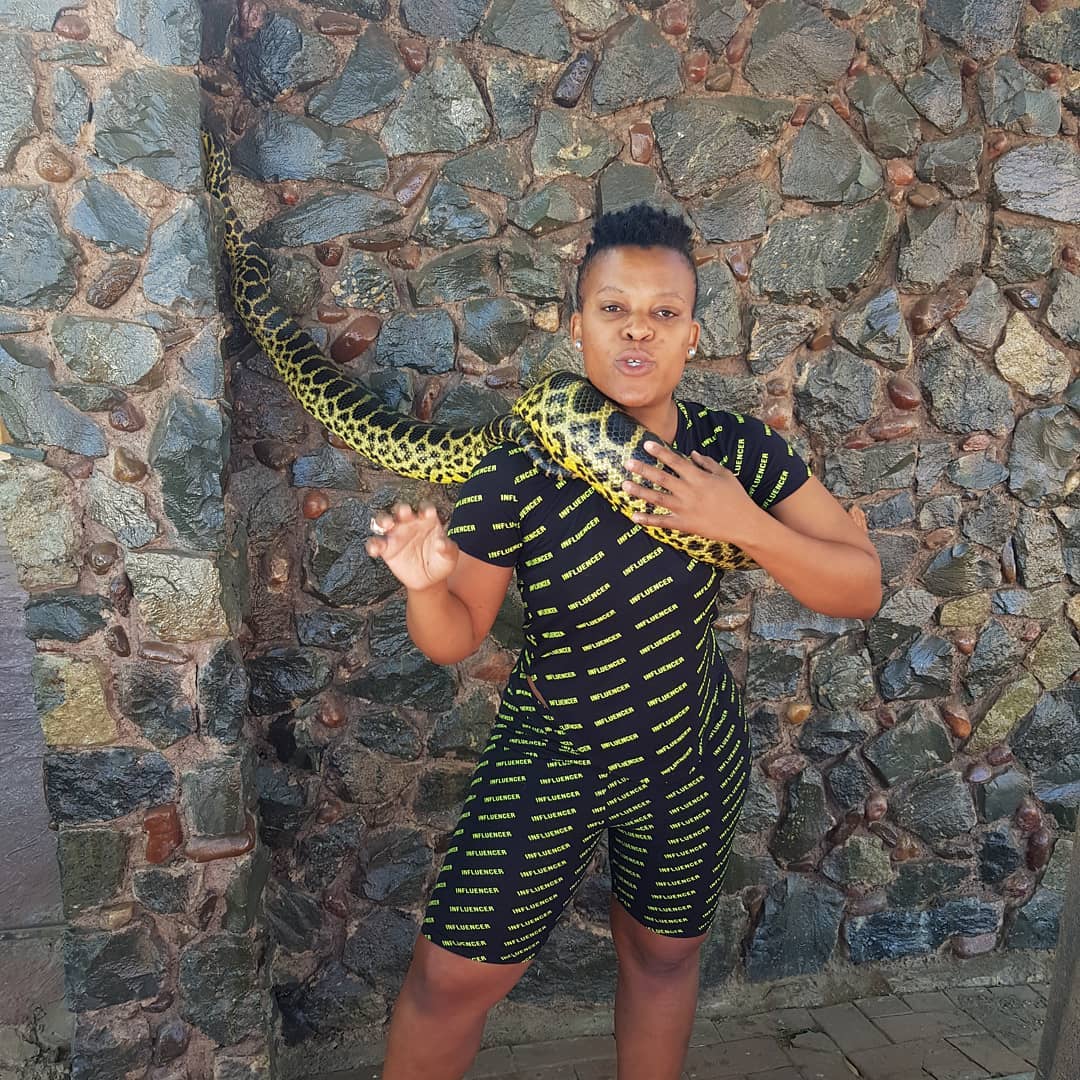
Lerato Molwelang’s name has taken over social media timelines — and not by choice.
The 20 year old ZCC South African woman Lerato Molwelang has become the center of a viral storm after explicit content linked to her began circulating widely online. Within hours, the clips spread across platforms, triggering waves of harsh judgment, memes, commentary, and speculation. What might have been a private matter quickly turned into a public spectacle, with thousands of strangers debating how she ended up there — often without knowing the full story.
Molwelang insists she was tricked by a bogus casting agency. According to her account, she believed she was pursuing a legitimate opportunity that could open doors in entertainment or modeling. She has said she was misled about the nature of the project and never agreed to have the content shared publicly. In her view, she was exploited by individuals who deliberately misrepresented themselves and their intentions.
But while she has spoken out about feeling deceived, the internet has not been kind.
As sympathy poured in from some corners of social media, others quickly pushed a very different narrative. Commentators began questioning her credibility, dissecting her past, and circulating claims about her personal choices. Soon, the discussion shifted away from alleged exploitation and toward moral judgment.
What the Lerato Molwelang Story Says About Us
One of the most damaging claims to gain traction online alleges that Molwelang was previously interviewed and openly stated that she chose prostitution at a young age, justifying the decision with a “you only live once” attitude. The problem is simple but significant: no verified interview exists to prove she ever made such a statement.

Despite the lack of evidence, the claim has taken on a life of its own. Reposted, paraphrased, and repeated across social media, it has become “truth” in the eyes of many users. For Lerato Molwelang, this unverified narrative has fueled intense backlash, public shaming, and a growing divide between those who view her as a victim and those who see her as responsible for her own downfall.
Watch the trending video here
As the debate rages on, Lerato Molwelang has continued to maintain that she was misled and did not give informed consent for the distribution of the material. She has emphasized that the viral spread of the content has caused emotional distress and reputational harm, particularly as rumours continue to overshadow her version of events.
Online reaction remains deeply polarized. Supporters argue that her case highlights the dangers of fake casting agencies, online exploitation, and how easily young people seeking opportunities can be manipulated. Critics, however, insist that personal responsibility should not be ignored, even as they rely on unverified claims to support their arguments.
The situation has exposed a harsh reality of the digital age: once content goes viral, control over the narrative is often lost. Facts compete with speculation, and rumours can spread faster than clarifications. In Molwelang’s case, allegations without proof have become central to public perception, complicating efforts to separate truth from fiction.
Now caught between claims of victimhood and relentless viral judgment, Lerato Molwelang’s story has become a cautionary tale. It illustrates how quickly social media can transform a personal crisis into mass entertainment — and how easily reputations can be reshaped by trending narratives rather than verified facts.
Whether Molwelang’s claims will ultimately be tested through legal or formal channels remains to be seen. What is already clear, however, is that the court of public opinion has moved swiftly, decisively, and without waiting for all the answers.