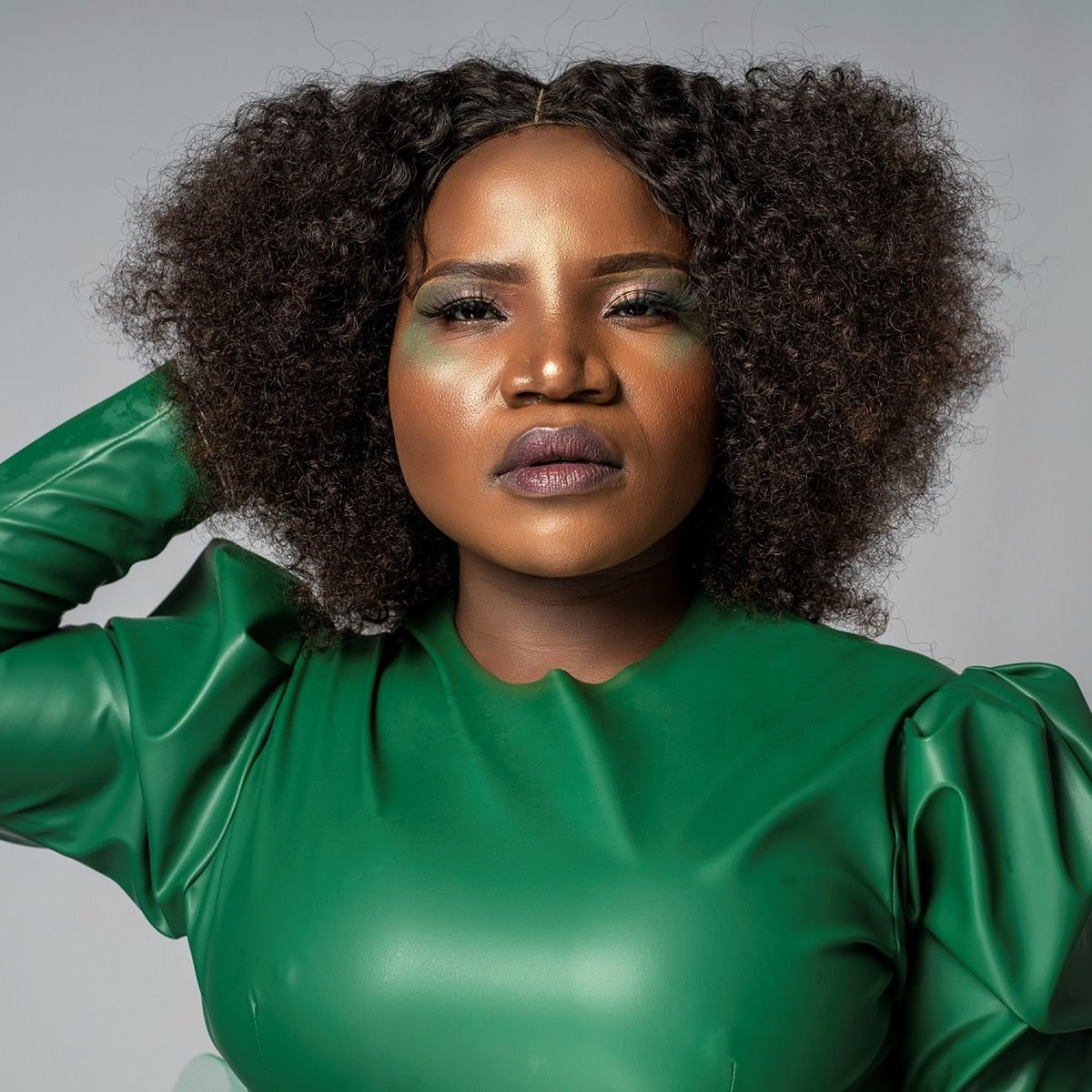
South African music star Makhadzi has publicly apologised after facing criticism over comments that sparked widespread debate on social media about language, identity and belonging in South Africa.
The award-winning performer returned to X with a detailed statement in which she sought to clarify her intentions, stressing that she never intended to offend anyone and that her original comments were motivated by concerns about how some South Africans are treated because of the languages they speak.
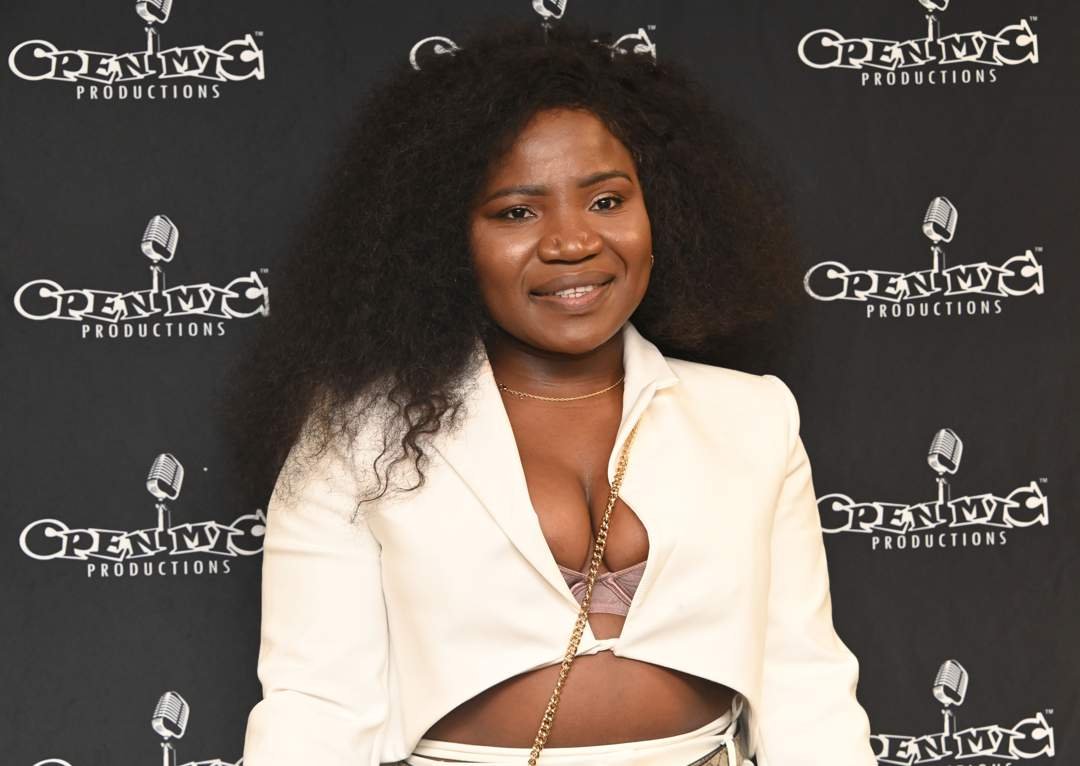
Addressing the backlash, Makhadzi acknowledged that she may not have communicated her thoughts clearly and admitted that language barriers sometimes make it challenging for her to fully express herself in English.
“My lovely South African, I would like to clarify that I am not a politician and I might not have stated my mind in a good manner because English is sometimes a problem to me. But I am really sorry for those who were affected by my previous post,” she wrote.
The Limpopo-born star explained that her concerns stemmed from videos circulating online in which people speaking Tshivenda are allegedly questioned about their nationality or asked to prove their South African citizenship.
According to Makhadzi, one particular video showing a Venda-speaking man being asked to produce identification left a strong impression on her and prompted her to share her views.
“I made my previous post because I was worried about most of the videos we see online, that when you are speaking Venda mostly they get to doubt that you are a South African citizen,” she explained.
She further expressed concern that some South Africans are unfamiliar with indigenous languages such as Tshivenda and Xitsonga, which can sometimes lead to assumptions that speakers are foreign nationals.
“You can imagine in your country someone asks you for an ID because you look a certain way and your language is not familiar to others that they know,” she said.
Makhadzi also highlighted her concern for people who travel or work in provinces such as Gauteng and may primarily communicate in Tshivenda, potentially struggling to explain themselves in English if confronted.
The singer emphasised that her intention was never to create division but rather to raise awareness about the cultural and linguistic misunderstandings that some communities experience.
As criticism intensified online, Makhadzi chose to apologise and acknowledge that she could have approached the issue differently.
“I am so sorry once again to all my people who were offended. We learn every day. Next time I will keep quiet until I find a good way to approach any situation,” she wrote.
Her apology has generated mixed reactions, with some supporters commending her for taking responsibility and clarifying her position, while others continue to debate the broader issues she raised regarding language diversity, cultural identity and social inclusion in South Africa.
The discussion has also reignited conversations about the country’s rich linguistic heritage and the importance of recognising and respecting all of South Africa’s official languages, regardless of where they are spoken.
My lovely South African, I would like to clarify that iam not a politian … and I might not stated my mind in a good manner because of English sometimes is a problem to me .
But iam really sorry for those who were affected by my previous post .I made my previous post…
— Makhadzi (@MakhadziSA) June 1, 2026