The rapid rise of artificial intelligence (AI) is reshaping the global music industry, sparking both excitement and concern among artists, producers, record labels and policymakers. While some musicians view AI as a valuable tool that can assist with songwriting, production and marketing, others fear that the technology threatens creative ownership, artistic integrity and fair compensation.
In South Africa, those concerns have become increasingly pronounced as local artists grapple with questions about how their music may be used to train powerful AI systems capable of generating new songs, melodies and vocal performances.
The debate has intensified following claims that the work of hundreds of South African musicians appears in datasets used to train AI music-generation models.
According to Doreen Mokoena, founder and chief executive of Cybersec Clinique, a recent audit of publicly documented AI training datasets identified a significant presence of South African music across multiple databases used in the development of generative AI systems.
The biggest export South Africa never authorised may be its culture.
Our audit of major AI training datasets identified dozens of South African artists appearing across publicly documented training corpora used to develop the next generation of AI music systems.
As artists,… https://t.co/2EPX3foLx3 pic.twitter.com/LnUpl1u8zO
— ParrotOS (@MokoenaDee) June 21, 2026
Sharing the findings on social media, Mokoena argued that South Africa’s cultural and musical heritage may be among the country’s most valuable exports being utilised without the explicit knowledge or consent of many creators.
“The biggest export South Africa never authorised may be its culture,” she wrote.
According to the audit, more than 200 South African artists spanning genres such as Amapiano, Kwaito, Maskandi, Gqom, gospel and hip-hop were identified within datasets reportedly used to train next-generation AI music platforms.
The findings have reignited discussions about consent, copyright and the rights of artists whose work may be incorporated into machine-learning systems. Critics argue that AI companies are benefiting from vast amounts of creative content while many creators remain unaware that their music may have been included in training datasets.
The issue gained additional attention after music industry executive Lindiwe Dhlamini highlighted a searchable database published by The Atlantic, which allows users to investigate whether specific creative works appear in datasets reportedly used by technology companies to train generative AI models.
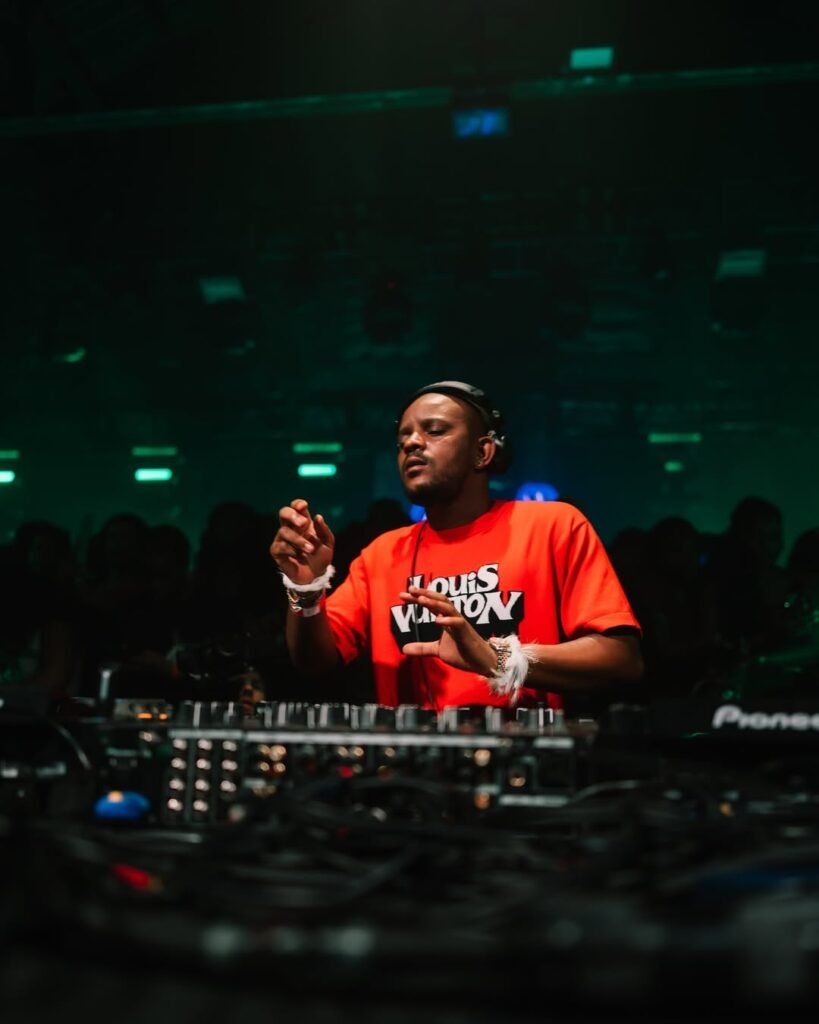
Cybersec Clinique’s analysis identified some of South Africa’s most influential artists among the datasets. Amapiano pioneer Kabza De Small reportedly appeared most frequently among the local artists identified, while long-time collaborator DJ Maphorisa also featured prominently.
Other notable names included Nasty C, gospel collective Spirit of Praise, Cassper Nyovest, Kelvin Momo, Emtee and Sjava, illustrating the breadth of South African music represented across multiple genres.
The audit suggests that recordings from these artists may have been included in datasets designed to help AI systems learn musical structures, rhythms, production techniques and stylistic characteristics. Such systems can then generate original compositions or create music that resembles particular genres and styles based on simple text instructions.
The findings have also amplified concerns previously raised by artists such as Nanette and Filah Lah Lah, who have publicly questioned the growing role of AI in creative industries.
Nanette has argued that technology cannot replace the emotional depth, lived experiences and personal expression that human artists bring to music. Filah Lah Lah has similarly raised concerns about whether years of artistic development, practice and craftsmanship are being undervalued in an era where algorithms can replicate certain musical styles within seconds.
The controversy reflects a broader global debate unfolding across the entertainment industry. Internationally, musicians, publishers and record companies have increasingly challenged AI developers over the use of copyrighted material in training datasets. Several lawsuits and regulatory discussions are underway in major markets as stakeholders seek clarity on what constitutes fair use, licensing requirements and creator compensation.
For South Africa, the issue carries additional significance because of the country’s rich musical heritage and globally influential genres. Amapiano, in particular, has experienced explosive international growth in recent years, with local artists helping shape a sound that has become one of Africa’s most successful cultural exports.
Industry observers warn that without clear legal frameworks and policy protections, artists may struggle to maintain control over how their work is used in the age of artificial intelligence. Others argue that AI can coexist with human creativity if appropriate licensing systems, transparency measures and compensation models are implemented.
As governments, technology companies and rights holders continue to debate the future of AI-generated music, the Cybersec Clinique findings have added urgency to calls for policy reform. For many artists, the central question remains whether innovation can be achieved without compromising the rights and livelihoods of the creators whose work helps power the technology in the first place.
The growing controversy has placed South Africa at the heart of an international conversation about creativity, ownership and the future of music in the digital age—one that is likely to shape the industry for years to come.