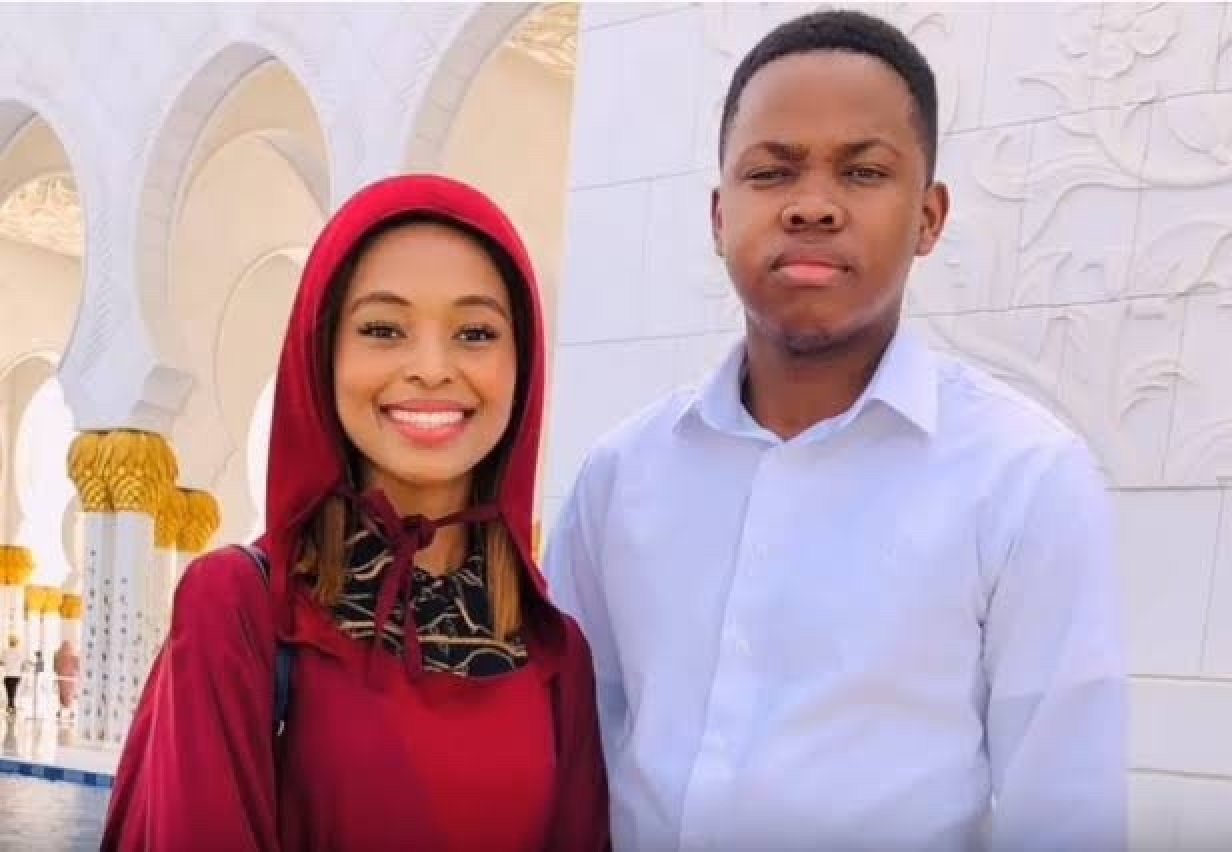
International dancer, choreographer and musician Limpopo Boy has been removed from the programme for the inaugural Creators Assembly in Botswana, days after an intimate video involving the entertainer circulated widely on social media.
The Creators Assembly confirmed the change in a statement issued on Monday, August 10, saying Limpopo Boy would no longer participate in the three-day event. Organisers added that they were considering a replacement, although no name has been announced.
The event, which is being held in association with BBS Bank, is scheduled for August 19 to 21 at the Grand Aria Hotel and Conference Centre in Gaborone.
Organisers said the decision would not change the broader purpose of the gathering, which is aimed at supporting Botswana’s creative sector and contributing to the development of the country’s creative economy.
“The Creators Assembly remains committed to its mandate of contributing to the growth and development of Botswana’s creative economy,” organisers said.
The announcement came shortly after an explicit private video involving Limpopo Boy began circulating online. While the organisers did not publicly give a detailed reason for his removal, the timing of the announcement has linked the programme change to the controversy surrounding the footage.
Limpopo Boy’s management responds
Limpopo Boy, whose real name is Robert Matome Thoka, is a dancer, choreographer and musician from Limpopo who has built a following through his performances and social-media presence.
His management has strongly condemned the circulation of the intimate footage, describing it as unauthorised and malicious.
According to his representatives, the material was obtained and distributed without permission. They said they were investigating how the footage was accessed and shared, while also pursuing legal and technical measures to have copies removed from online platforms.
The management team said cybersecurity specialists had been brought in to investigate the alleged breach and that legal representatives were engaging with platforms hosting or distributing the material.
They have also urged members of the public not to download, repost or circulate the footage, warning that continued sharing could cause further harm to those involved.
Social media controversy intensifies
The incident has once again highlighted the risks public figures face when private material finds its way onto social media.
Once intimate content is circulated, attempts to remove it can become difficult because copies can quickly be downloaded, reposted and moved between platforms. A single post can therefore generate hundreds or thousands of additional copies within a short period.
For celebrities and other public figures, the consequences can extend beyond social-media criticism. Professional relationships, commercial partnerships, scheduled appearances and public perceptions can all be affected by an online controversy, even where questions remain about how private material was obtained and distributed.
In Limpopo Boy’s case, his removal from the Creators Assembly has become one of the immediate professional consequences of the controversy.
Focus remains on Botswana’s creative economy
Despite the programme change, the Creators Assembly is expected to proceed as planned.
The inaugural gathering is intended to bring together creatives, industry stakeholders and other participants to discuss opportunities within Botswana’s creative economy. The involvement of BBS Bank also places the event within a wider conversation about financial and institutional support for the creative sector.
The organisers have thanked partners, creatives, stakeholders and attendees for their continued support and understanding following the announcement.
A replacement for Limpopo Boy is expected to be announced once organisers have finalised their plans.
For now, the controversy surrounding the dancer and musician continues to unfold online, while his management maintains that the intimate material was shared without his consent and is pursuing avenues to have it removed.
The episode also serves as a reminder of the lasting impact that the unauthorised distribution of private material can have, particularly in an era where social-media content can spread across borders within minutes.