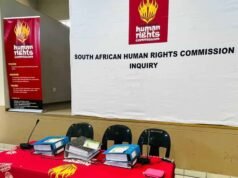
The Madlanga Judicial Commission of Inquiry has turned its attention to the role of senior Hawks officer Colonel Gavin Jacob in the disappearance of cocaine and mandrax exhibits linked to drug-related investigations, raising further concerns about the handling of critical evidence within South Africa’s law enforcement agencies.
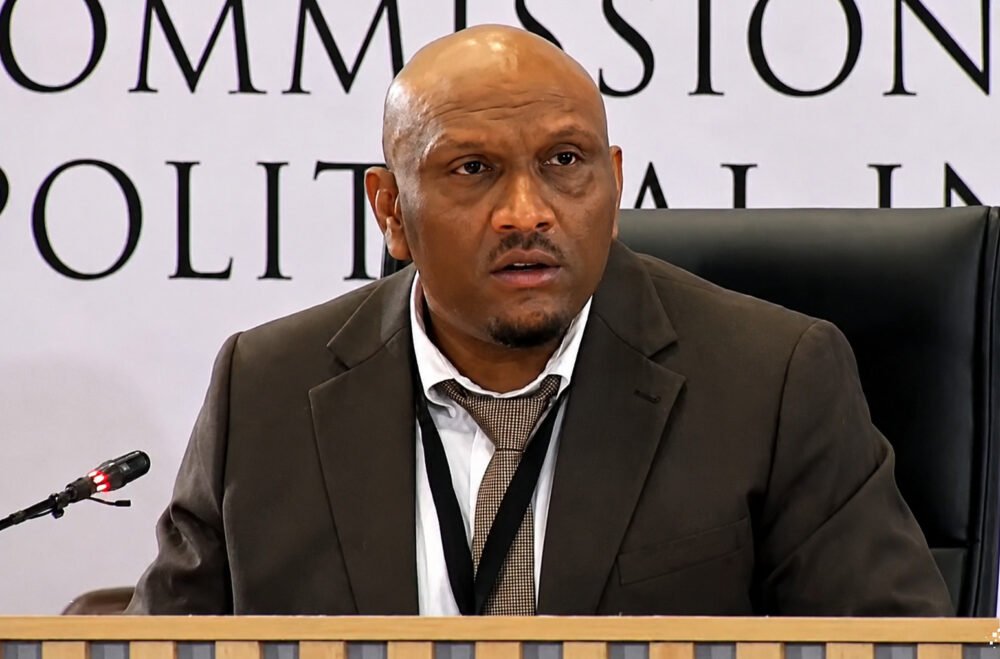
The commission, chaired by retired Constitutional Court Justice Mbuyiseli Madlanga, heard testimony on Friday from Lieutenant-Colonel Kwazikwakhe Sibiya, a senior KwaZulu-Natal Hawks officer. Sibiya was giving evidence regarding the seizure of 541 kilograms of cocaine, valued at approximately R200 million, which was intercepted at Durban Harbour in June 2021 before later being stolen from a police facility in Port Shepstone.
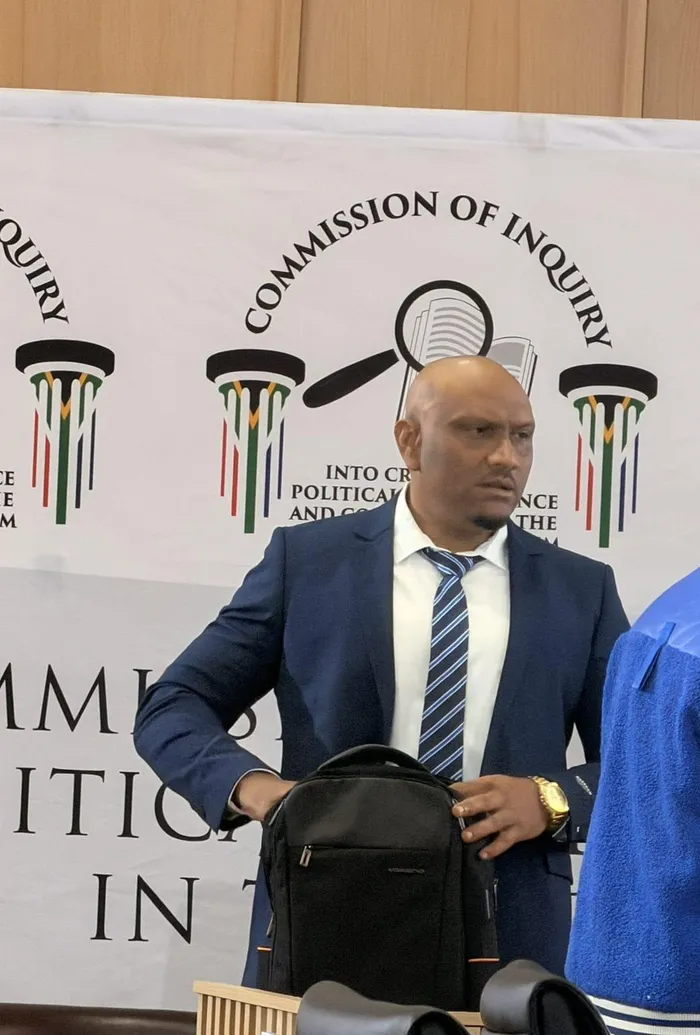
The disappearance of the cocaine shipment has become one of the most controversial incidents examined by the commission, which was established to investigate allegations of criminal infiltration, corruption, and misconduct within the South African Police Service (SAPS) and related law enforcement structures.
During proceedings, evidence leader Advocate Sesi Baloyi SC questioned Sibiya about another case involving cocaine and mandrax exhibits that allegedly went missing after being handled by several officers, including Jacob. Baloyi sought clarity on why disciplinary action appeared to focus primarily on former Warrant Officer Jooste while references to Jacob featured prominently in documents relating to the missing exhibits.
Baloyi pointed out that allegations suggested exhibits had been removed and subsequently disappeared, prompting questions about accountability and whether all officials involved had been properly investigated.
Responding to the commission, Sibiya explained that Colonel Jacob had allegedly handed the exhibits to Warrant Officer Jooste, who was responsible for transporting them to the Forensic Science Laboratory (FSL). According to Sibiya, the exhibits never reached the laboratory, and the required documentation confirming receipt could not be located.
Jooste, who has since been dismissed from the SAPS, reportedly submitted a written statement indicating that he had received the exhibits from Jacob and forwarded them for forensic analysis. However, no official record confirming their arrival at the laboratory could be found.
The commission further explored whether investigators had adequately examined the conduct of all officers whose names appeared in the relevant case files. Baloyi questioned whether the provincial SAPS office had scrutinised the actions of every individual involved, including officers mentioned multiple times throughout the investigation.
Sibiya stated that he understood the investigation had reviewed all related cases and individuals connected to them. However, he maintained that the primary focus had been on Jooste, whom he described as the individual believed to have acted improperly. At the same time, he acknowledged that he could not definitively state that all other officers had been cleared of wrongdoing.
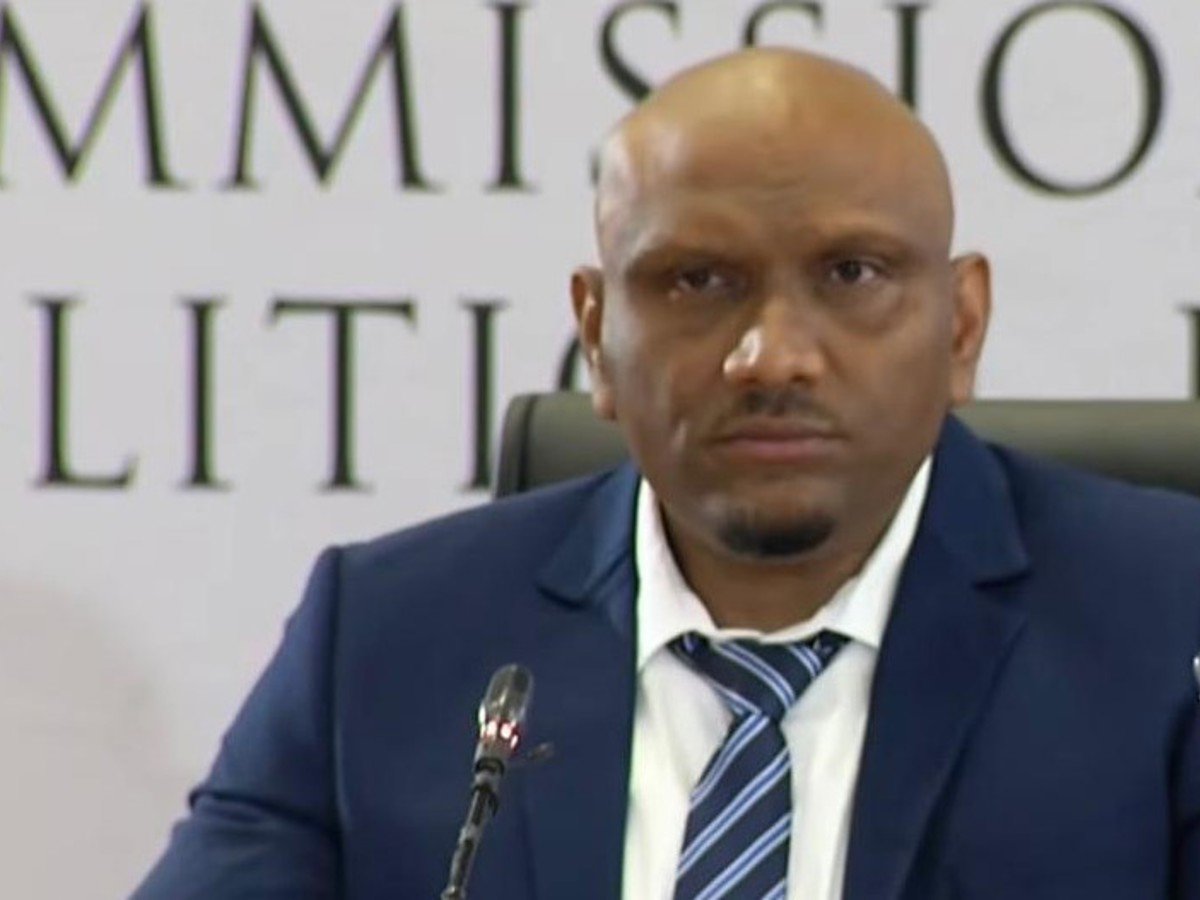
The line of questioning highlights broader concerns regarding evidence management within law enforcement structures, particularly in major organised crime and narcotics investigations where the integrity of exhibits is crucial to successful prosecutions. Missing evidence has historically undermined several high-profile criminal cases across South Africa, often resulting in lengthy investigations, disciplinary proceedings, and allegations of corruption.
Earlier in the week, Jacob himself appeared before the commission and revealed that an informer, described as a whistle-blower and possible suspect, had approached authorities in February this year claiming involvement in the planning and execution of the theft of the 541kg cocaine shipment. The information is reportedly being assessed as part of ongoing investigations into how the drugs disappeared from police custody.
Despite repeated questions from media organisations regarding developments in the matter, both national and provincial SAPS structures referred inquiries to the Hawks. At the time of reporting, the Hawks had not publicly responded.
Long-Running Controversies
Jacob’s appearance before the commission has reignited scrutiny of previous allegations that have surrounded his career over the years.
In 2018, intelligence reports examining organised crime, gang activity, and drug trafficking in Durban reportedly alleged that senior members of the Hawks’ narcotics unit were protecting influential drug traffickers and gang leaders operating in the city.
At the time, Jacob headed the unit and was allegedly under investigation for claims that he had undermined investigations targeting one of Durban’s most feared criminal organisations, the Bloods gang. Reports further suggested that he maintained close relationships with individuals linked to organised crime and that these associations may have compromised major investigations.
The allegations triggered an investigation by the Independent Police Investigative Directorate (IPID), which began in November 2018. After several months of inquiry, the investigation was concluded in April 2019 without evidence being found to substantiate claims of corruption, defeating the ends of justice, or misconduct against Jacob.
The National Prosecuting Authority subsequently declined to pursue criminal charges.
While Jacob emerged from those investigations without prosecution, the renewed focus on his role in cases involving missing drug exhibits is likely to attract significant public attention as the commission continues its work.
Turmoil Within SAPS Leadership
The latest revelations come during a particularly turbulent period for SAPS leadership.
This week saw the dismissal of Major-General Richard Shiburi, the former Component Head for Organised Crime, following findings of misconduct. The disciplinary outcome stemmed from allegations that Shiburi had engaged in conduct that brought the SAPS into disrepute, including maintaining a relationship with controversial businessman Vusimuzi “Cat” Matlala, who has faced serious criminal allegations.
Evidence presented during disciplinary proceedings indicated that Shiburi received thousands of rand from Matlala, which he claimed was a loan intended to assist with repairs to his son’s damaged vehicle.
The fallout has extended beyond Shiburi. Nine additional senior police officers who served on a bid evaluation committee involved in a government tender process have also been suspended. The tender ultimately resulted in the awarding of a contract to Medicare24, a company linked to Matlala. That contract has since been cancelled amid mounting controversy and investigations.
SAPS confirmed that the officers remain on suspension while disciplinary hearings and related investigations continue.
Growing Pressure for Accountability
The developments unfolding before the Madlanga Commission have intensified calls for greater accountability, transparency, and oversight within South Africa’s law enforcement institutions.
The disappearance of high-value drug exhibits, allegations of compromised investigations, and disciplinary action against senior officers have collectively raised concerns about the ability of policing agencies to combat organised crime effectively while maintaining public trust.
As the commission continues hearing evidence, attention is expected to remain focused on how evidence was handled, whether proper procedures were followed, and whether any individuals may ultimately be held responsible for the disappearance of narcotics worth hundreds of millions of rand.
The commission’s findings are likely to have far-reaching implications for both the SAPS and the Hawks, particularly as South Africa continues to confront growing challenges linked to organised crime, drug trafficking, corruption, and the integrity of its criminal justice system.