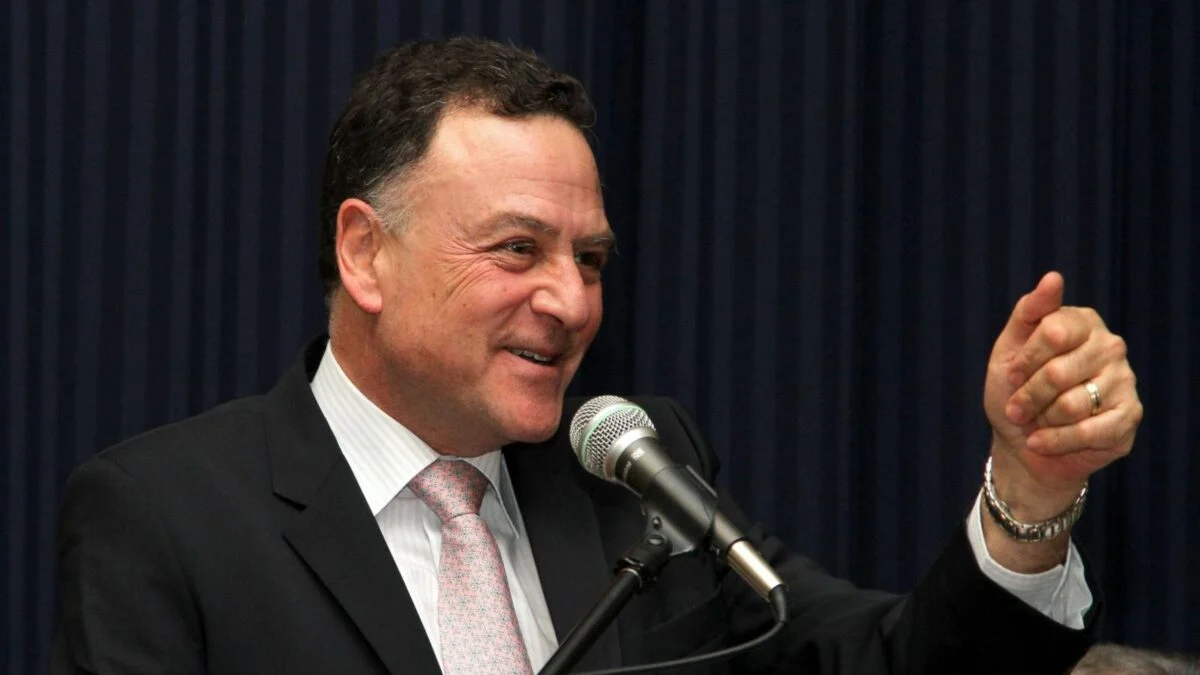
Former Cape Town mayor Patricia de Lille has become the latest senior political figure to raise questions about the activities of Resolve Communications, alleging that former Democratic Alliance (DA) leader Tony Leon lobbied the City of Cape Town on behalf of ride-hailing company Uber while the public relations firm was also involved in the city’s communications strategy during the severe drought crisis.
Her account, supported by former Cape Town transport Mayoral Committee Member Brett Herron, adds to a growing list of current and former political leaders who claim Resolve Communications sought access to government decision-makers on behalf of private-sector clients.
The latest allegations follow public claims by former DA leader and former agriculture minister John Steenhuisen, former environment minister Dion George and ActionSA national chairperson Michael Beaumont, all of whom have described approaches allegedly made by Resolve Communications to facilitate meetings between government officials and corporate clients.
Resolve’s role during Cape Town’s drought crisis
Speaking about the period between 2015 and 2018, when Cape Town faced one of the worst droughts in its history, De Lille said the city appointed an external communications agency to help manage public messaging during the crisis.
The drought drew international attention as dam levels dropped dramatically, forcing the city to implement strict water restrictions and prepare for the possibility of “Day Zero”—the point at which municipal water supplies could have been shut off and residents required to collect rationed water from distribution points.
According to De Lille, the primary communications agency later subcontracted Resolve Communications because of its experience in crisis communications.
She explained that the appointment was handled through the city’s communications division after officials were instructed to strengthen public messaging as the water crisis intensified.
Former City of Cape Town communications executive Priya Reddy confirmed that Resolve Communications was not contracted directly by the municipality.
Instead, she said, the company was appointed by the city’s external communications agency to assist because of its expertise in managing high-profile crises that had attracted global media attention.
Reddy also stated that she had no personal relationship with Tony Leon.
Leon allegedly approached city over Uber
De Lille also recalled that Leon approached the City of Cape Town after Uber entered the South African market, seeking engagement on regulatory issues affecting the company’s operations.
At the time, South African transport legislation had not been designed to accommodate app-based ride-hailing services, creating uncertainty over operating permits, licensing requirements and the legal status of the new business model.
Rather than handling the matter personally, De Lille said she referred Leon to the city’s transport portfolio.
She said she had little direct involvement beyond directing the matter to the official responsible for transport.
Herron, who served as the city’s transport MMC during that period and is now secretary-general of the GOOD Party, confirmed that he met Leon following a request facilitated through Resolve Communications.
According to Herron, Leon was representing Uber as the company sought solutions to licensing challenges created by legislation that predated ride-hailing technology.
Herron said Leon and Resolve also introduced him to Uber executives from both South Africa and the Europe, Middle East and Africa region.
While he stressed that he was never asked to act unlawfully or bypass procurement or licensing requirements, Herron acknowledged there was considerable pressure to resolve the regulatory impasse quickly.
He said city officials were broadly supportive of emerging transport technologies and recognised growing public demand for ride-hailing services but remained committed to working within the existing legal framework until legislation could be updated.
Fundraising event before 2016 elections
De Lille also recalled attending what she described as a DA fundraising event hosted by Leon before the 2016 local government elections.
She said she attended alongside then-Western Cape Premier Helen Zille while Paul Boughey was serving as the DA’s chief executive.
According to De Lille, the event attracted significant donors and raised a substantial amount of money for the party.
Allegations widen across political spectrum
The controversy surrounding Resolve Communications began gaining momentum after Steenhuisen alleged that the firm had used its political connections to arrange meetings between Government of National Unity ministers and private-sector clients.
Among the most prominent claims was that Resolve allegedly facilitated discussions involving Starlink, the satellite internet company owned by Elon Musk, and Communications Minister Solly Malatsi.
Starlink has expressed interest in operating in South Africa but has not obtained the licences required under local telecommunications legislation. Current regulations require qualifying telecommunications operators to comply with ownership rules that include participation by historically disadvantaged South Africans.
Steenhuisen also alleged that Resolve later coordinated negative public messaging against him following disagreements over government’s handling of the foot-and-mouth disease outbreak.
George and Beaumont describe similar experiences
Former environment minister Dion George has similarly alleged that Resolve repeatedly attempted to arrange meetings between him and waste management company Redisa while litigation involving the company and his department was ongoing.
George said he rejected each request because it would have been inappropriate to meet with a party involved in active legal proceedings against the department.
According to George, Resolve renewed its efforts after draft waste management regulations were withdrawn, with Leon personally requesting another meeting. He said he again declined.
George has also suggested that he later became the target of negative commentary which he believes may have been linked to Resolve, although he acknowledged he has no evidence proving the firm was responsible.
ActionSA national chairperson Michael Beaumont has pointed to similar allegations contained in his 2020 book, The Accidental Mayor.
Beaumont alleged that Leon sought a meeting with former Johannesburg mayor Herman Mashaba in 2019 before introducing ShotSpotter, a gunshot detection technology company represented by Resolve Communications, as part of a proposed project reportedly valued at around R300 million.
According to Beaumont, Mashaba rejected the proposal, insisting that any procurement process had to comply fully with public tender requirements.
Beaumont further alleged that Leon later recommended that the DA withdraw from Johannesburg’s coalition government, prompting Mashaba to accuse him of attempting to leverage political influence for commercial purposes.
Mashaba subsequently complained to then-DA leader Mmusi Maimane, saying that while coalition partners had never approached him regarding tenders, he could not make the same claim about members of his own party.
Leon rejects allegations
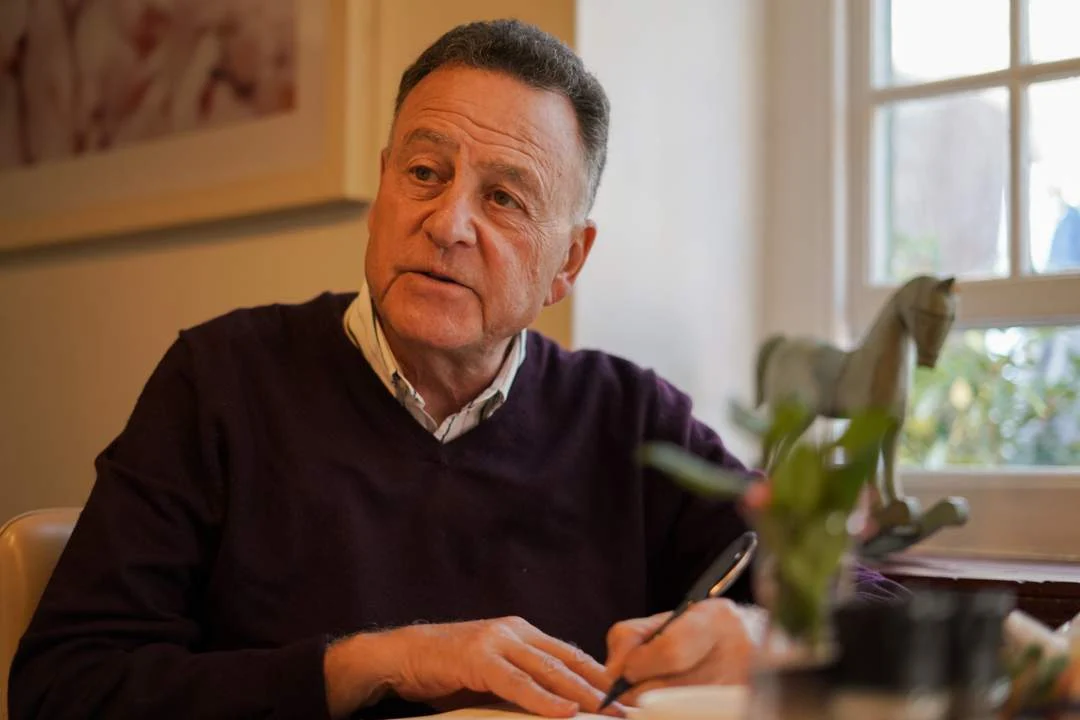
Tony Leon has denied any wrongdoing, maintaining that procurement decisions were always the responsibility of government institutions and not private individuals.
The growing number of allegations has nevertheless intensified calls from political parties, labour organisations and Parliament for a thorough investigation into Resolve Communications’ engagements with government and whether any lobbying activities crossed ethical or legal boundaries.
As scrutiny mounts, the controversy has sparked broader debate about transparency in political lobbying, the relationship between public office and private influence, and whether South Africa requires stronger regulation governing lobbying activities and access to government decision-makers.