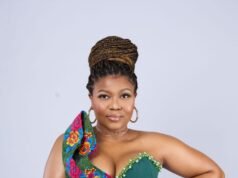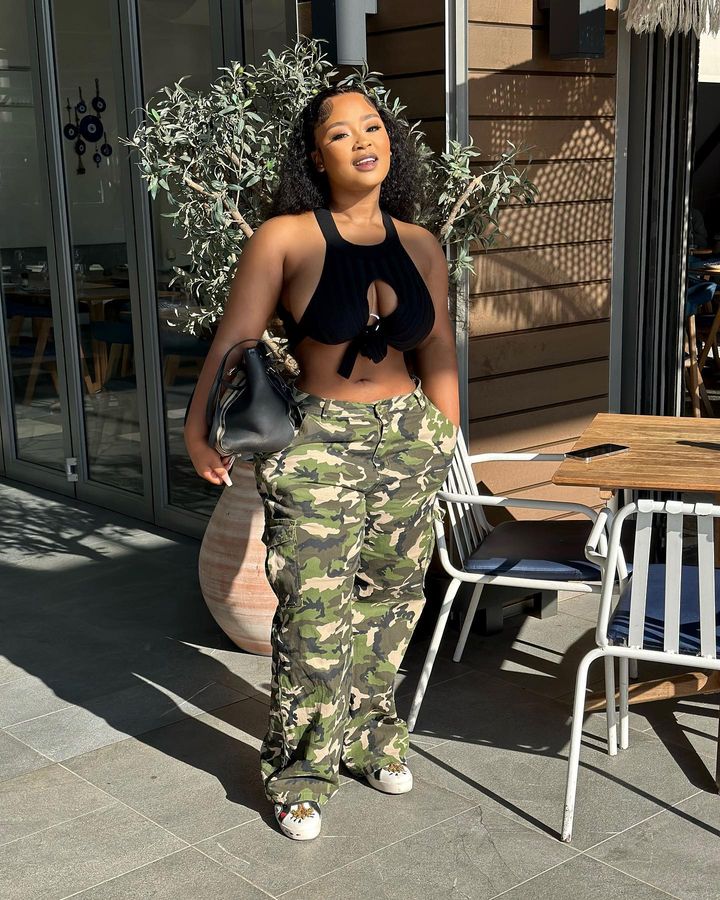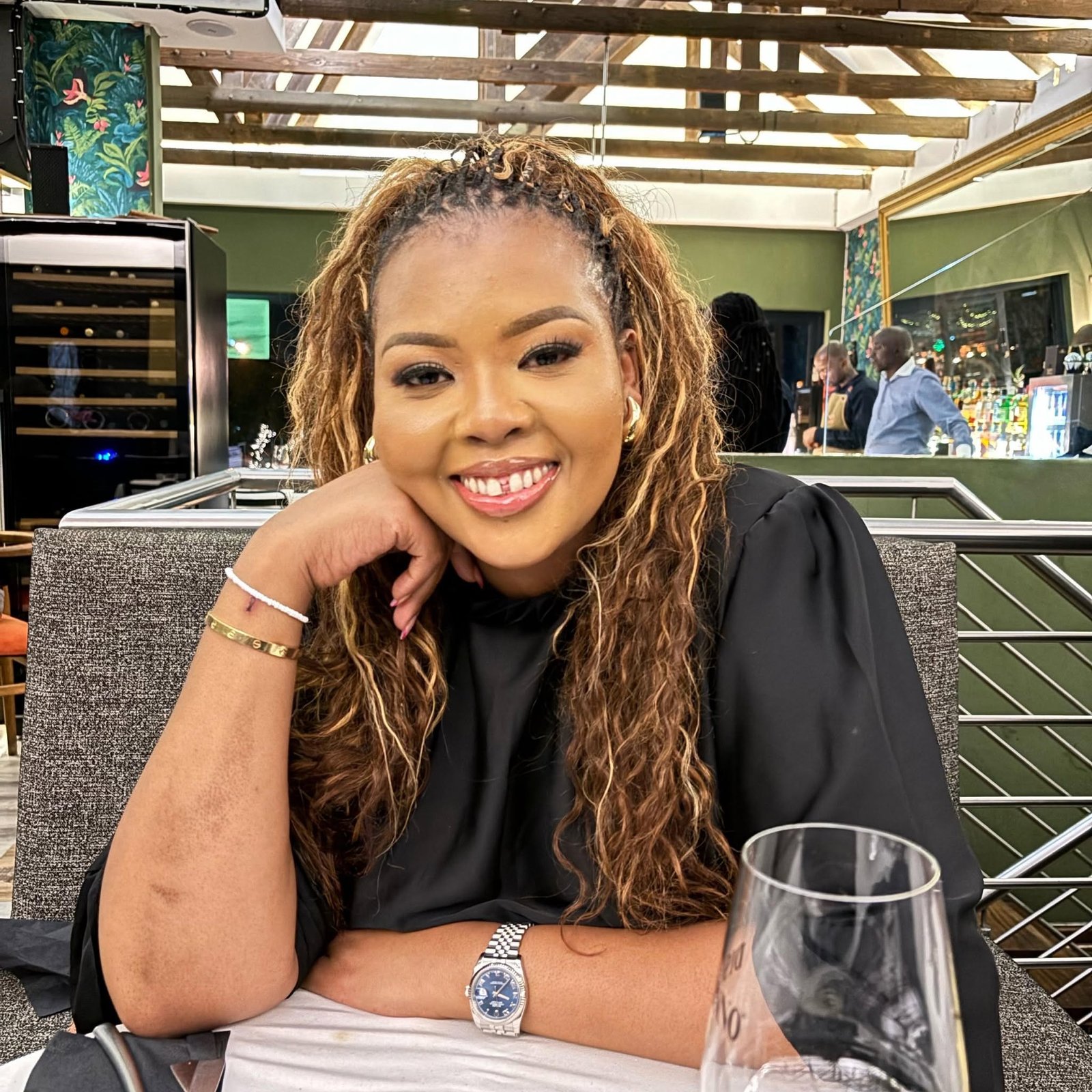
Broadcaster Anele Mgudlwa is returning for a second season of The Anele Podcast: Her & Now this September, bringing with her a deeper understanding of the conversations that made the first season so personal and revealing.
The podcast, created in partnership with First for Women, grew out of the insurer’s Her & Now research, which explores the realities, pressures and experiences shaping the lives of South African women.
For Mgudlwa, agreeing to host the podcast was initially a leap of faith. She had long been hesitant to enter the podcasting space, partly because she believed the market was already crowded.
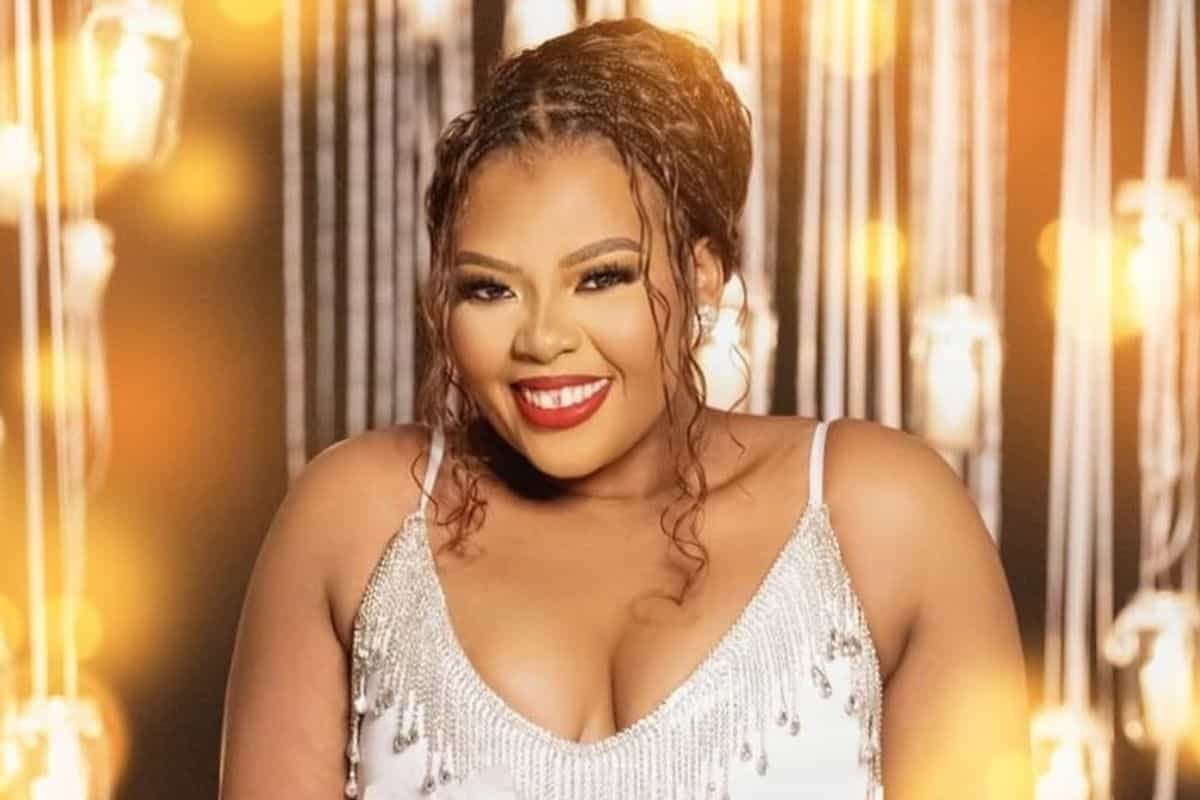
But once she started, she discovered that the format gave her an opportunity to explore a side of herself that traditional broadcasting had not always allowed.
“I think the reason I’d avoided doing a podcast so much is because I hadn’t quite figured out what Anele podcast is going to be, and I figured it out inside of doing the podcast,” she said.
Finding the voice of the podcast
Mgudlwa’s decision to participate was closely linked to her belief in the Her & Now research and what it revealed about South African women.
The first edition of the report asked women a deceptively simple question: How are you feeling?
The responses provided a window into the emotional realities many women experience but do not necessarily discuss openly. The podcast then created another layer to that research by allowing women to put their own voices and personal experiences behind the findings.
Rather than simply discussing statistics, Mgudlwa sat down with women from different backgrounds to explore the pressures they face, the decisions they make and the expectations placed on them.
The conversations became personal for the host herself.
“I said yes, because at face value, I am a successful woman, like everyone was like, ‘Oh, Anele successful,’ but the podcast allowed me to ask myself a lot of questions that I brush off, because I’m successful,” she explained.
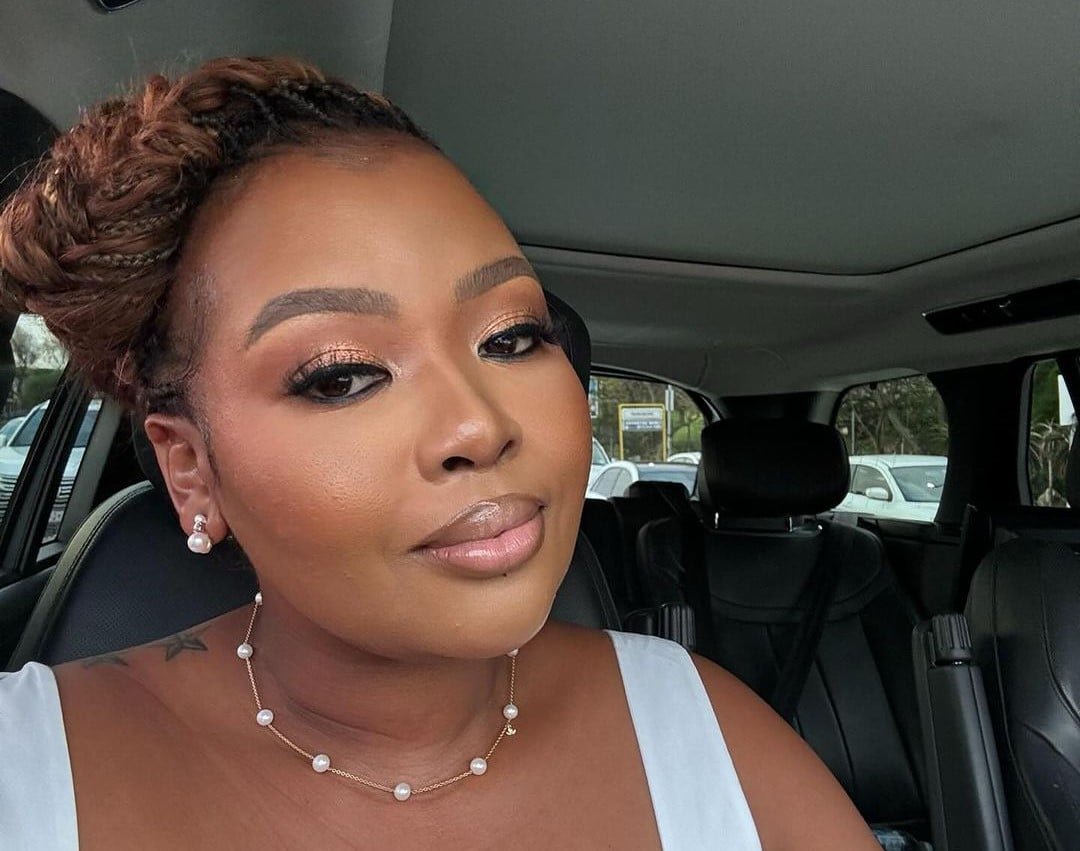
“Ultimately, success is not what rocks you to bed at night, and you sleep properly, and I was asking myself the difficult questions that allowed me to open up as well.”
A conversation that became personal
One of the most emotional revelations for Mgudlwa came when she spoke about the death of her mother.
Her mother died in 2009, but Mgudlwa said the podcast forced her to confront the fact that she had never properly allowed herself to grieve.
She had grown accustomed to being the person who brought stability to her family.
“I know I’m gonna bring the jokes and make everyone laugh, right? To cut the tension,” she said, describing how she would respond whenever she sensed that her family was struggling.
Being the person with the solutions meant that she often placed her own emotions second.
During the first season, Mgudlwa recognised that her role as the strong one had come at a cost. She realised that her family circumstances had not necessarily given her the space to mourn her mother in the way she needed.
It was a striking example of what made the podcast different for her: the questions she asked other women frequently turned back towards her own life.
Learning from women in the spotlight
The first season featured a diverse group of prominent South African women, including Pearl Thusi, Rachel Kolisi, Tumi Morake, Masasa Mbangeni, Nozipho Tshabalala, Mantsoe Pout, Sinovuyo Mondliwa and Sinenjabulo Zungu.
Although Mgudlwa was the interviewer, she found herself learning from the women sitting opposite her.
Each guest brought a different perspective on identity, family, relationships, ambition, pressure, resilience and the expectations placed on women.
That exchange became one of the most meaningful parts of the experience for Mgudlwa.
The podcast demonstrated that public success does not necessarily shield women from uncertainty, exhaustion or difficult personal experiences. Behind professional achievements are individuals dealing with many of the same questions and pressures as women listening at home.
Season two: listening more
Returning for a second season, Mgudlwa says she feels more prepared.
The experience of producing the first season taught her that silence can sometimes be just as powerful as a question.
As an experienced broadcaster, she is accustomed to keeping conversations moving. In radio and television, silence can feel uncomfortable, and presenters are often trained to fill gaps and maintain momentum.
But reflecting on the first season, Mgudlwa realised that some of the most meaningful moments could have emerged if she had simply waited.
“When I watch the podcast back a lot, there are times I’m like, ‘you should have kept quiet there, they were going to go into more, they were going to say more, they were going to share more’,” she said.
“But because I’ve got my broadcaster hat on, I want to fill the silences, and you want to move on to the next conversation.”
Her goal for the new season is therefore simple but significant: listen more.
“I’m looking forward to listening a lot more, to just letting the conversation breathe.”
A new report asks a tougher question
The second edition of First for Women’s Her & Now research is titled A World Built for Someone Else.
Released during Women’s Month, the research draws on qualitative and quantitative insights gathered from more than 6,000 South African women since 2025.
While the first report focused heavily on how women were feeling, the latest research examines the systems and structures surrounding them.
It asks whether the world women operate in is actually helping them manage the enormous demands placed on their shoulders, or whether society has simply become accustomed to women coping.
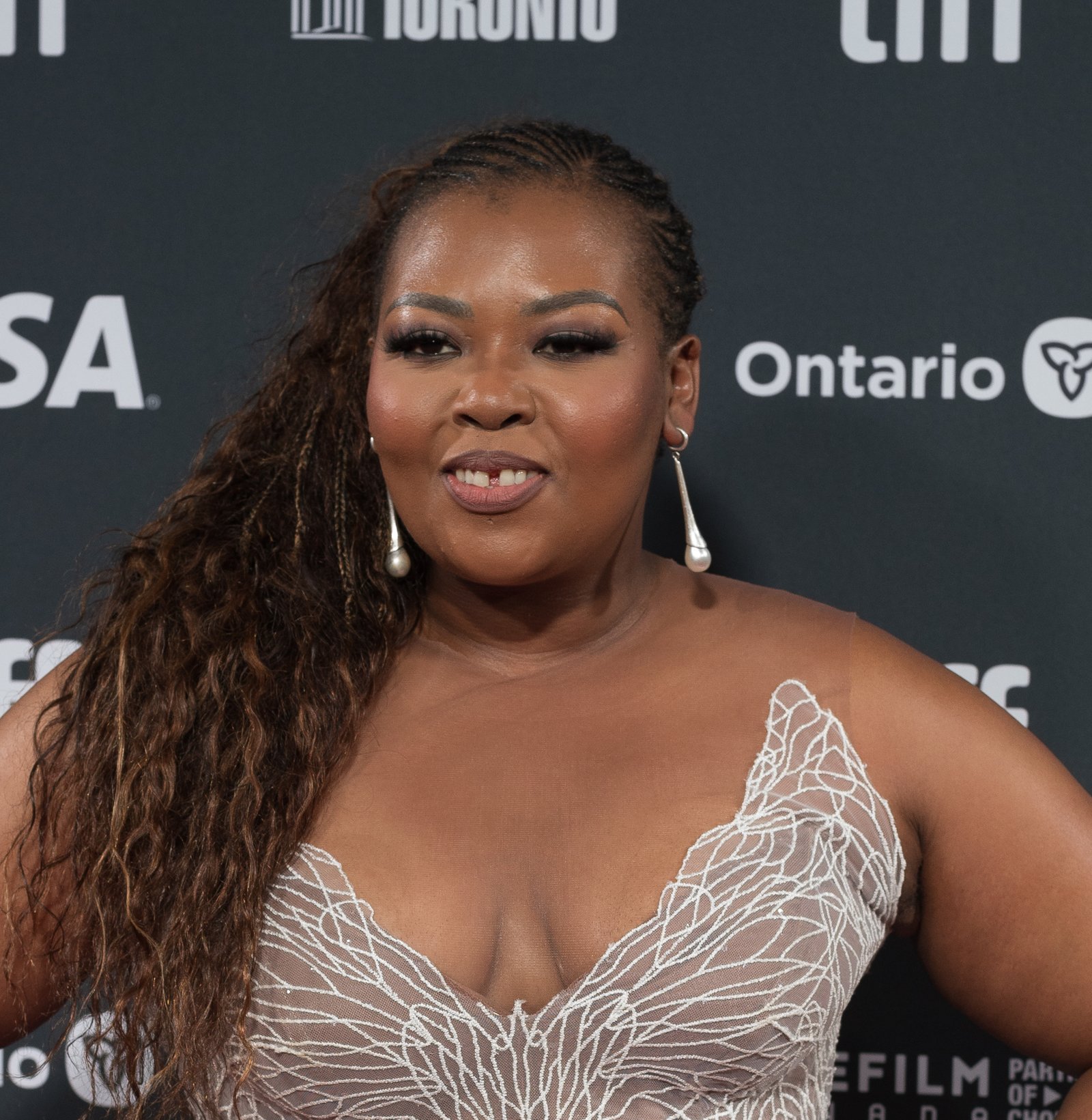
That question gives the second season of the podcast an even broader context.
The stories are not only about individual experiences. They also raise questions about workplaces, families, financial systems, relationships, healthcare, social expectations and the products and institutions that are supposed to support women.
The pressure to keep coping
One of the themes running through the research is the enormous amount of invisible work many women perform.
Women are often expected to manage careers, households, relationships, parenting, finances and emotional responsibilities simultaneously.
Even when they succeed, there can be an assumption that they are simply capable of handling more.
That expectation can make it difficult for women to acknowledge exhaustion or ask for support.
The podcast provides a space to challenge that idea by allowing women to talk honestly about what happens behind the public image.
For Mgudlwa, the conversations have reinforced the importance of making decisions rather than becoming paralysed by the fear of making the wrong one.
“People think that you fail because of the wrong decision. No, you fail because of no decision,” she said.
“Because as soon as a woman makes a decision, that becomes the right decision because you throw your everything into that.”
More than a podcast
The partnership between First for Women and Mgudlwa has created a platform where research and personal storytelling intersect.
The statistics provide a picture of the broader experiences of South African women, while the podcast gives those experiences a human voice.
That combination is important because research can identify a trend, but personal stories can show what that trend actually feels like.
Mgudlwa’s own experience demonstrates that distinction. Despite her professional success, she found herself confronting questions she had previously pushed aside.
Her willingness to acknowledge those moments has also become part of the value of the podcast. The host is not positioned as someone who has all the answers; she is another woman participating in the conversation and discovering things about herself along the way.
Making space for women’s voices
The second season arrives with Mgudlwa determined to approach the conversations differently.
Rather than rushing to the next question or attempting to fill every pause, she wants to give guests room to think, reflect and go deeper.
That may create slower conversations, but potentially more meaningful ones.
For a podcast built around women’s lived experiences, that space matters.
The stories explored on The Anele Podcast: Her & Now are not necessarily about having everything figured out. They are about uncertainty, pressure, ambition, grief, choices and the constant process of trying to build a life in circumstances that do not always make things easy.
And as the latest Her & Now research asks, if women are already doing so much work simply to keep their lives together, the bigger question is whether the world around them is helping to carry that weight.
Or has it simply become comfortable watching women carry it themselves?
Season two of The Anele Podcast: Her & Now returns in September, with Mgudlwa promising to bring a more confident approach to the conversations — and, perhaps most importantly, to listen when the silence has something to say.