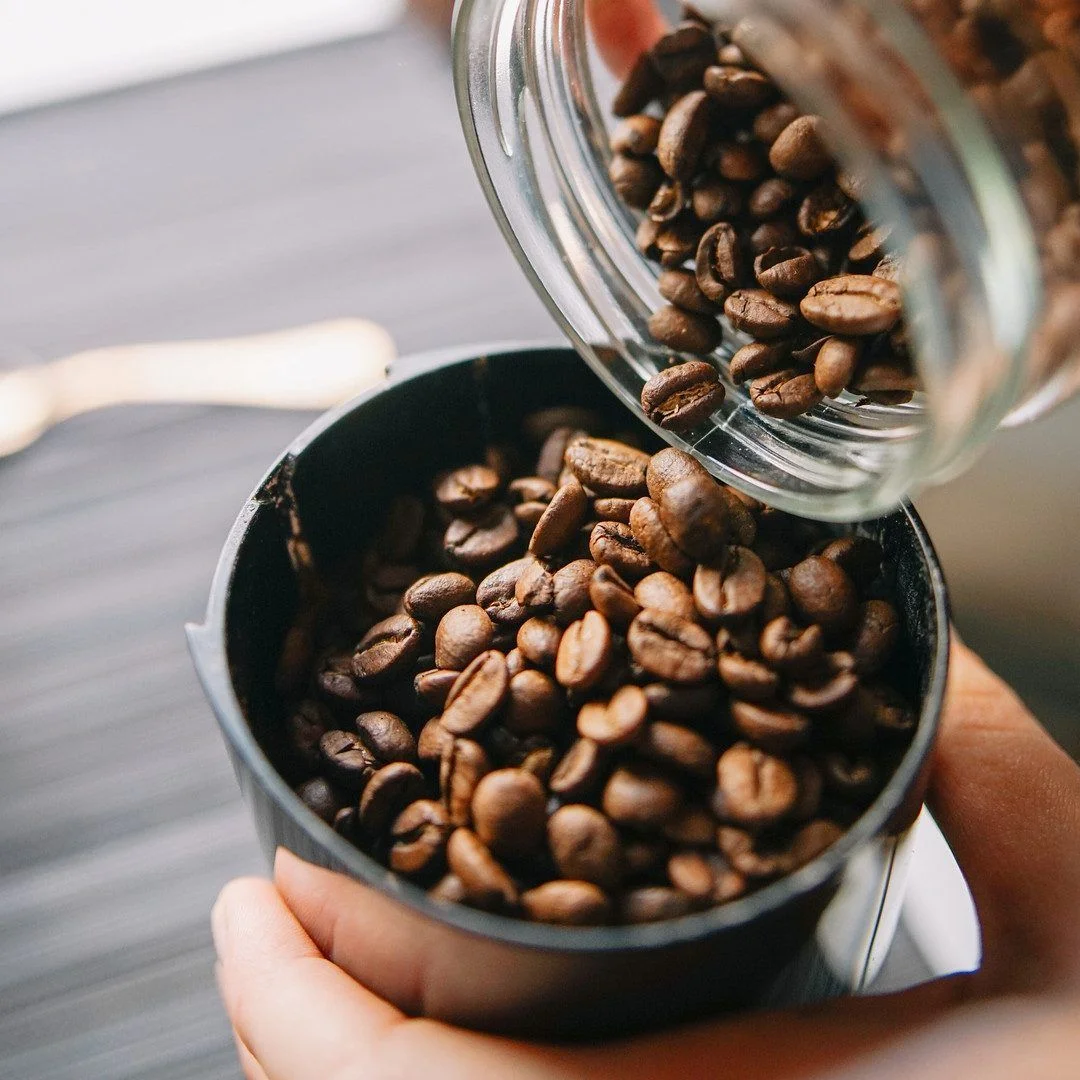
For millions of people, the day begins with a cup of coffee. Others rely on tea, energy drinks, soft drinks or even chocolate for a caffeine boost to help them stay alert and focused.
As the world’s most widely consumed stimulant, caffeine has become deeply woven into daily routines and social habits. Yet while many people can enjoy several cups of coffee without noticeable side effects, others may experience anxiety, restlessness, headaches or disrupted sleep after consuming relatively small amounts.
Health experts say the difference often comes down to caffeine sensitivity — a lesser-known factor that influences how the body processes and responds to caffeine.
Understanding Caffeine Sensitivity
Caffeine sensitivity is not the same as a caffeine allergy.
A true caffeine allergy is extremely rare and involves an immune system reaction that can trigger symptoms such as hives, swelling or breathing difficulties.
Caffeine sensitivity, on the other hand, relates to how quickly or slowly an individual’s body metabolises caffeine. Genetics, age, hormones, lifestyle factors and overall health can all influence this process.
As a result, two people drinking the same cup of coffee may have completely different experiences.
One person may feel energised and productive, while another may experience a racing heart, nervousness or difficulty sleeping hours later.
Why Some People Feel Caffeine More Than Others
Research suggests that people generally fall into three categories when it comes to caffeine metabolism:
Fast metabolisers: Approximately 40% of people process caffeine quickly, allowing it to leave the body relatively efficiently.
Intermediate metabolisers: Around half the population falls into this category.
Slow metabolisers: Roughly 10% of people process caffeine much more slowly, meaning it remains active in their system for longer periods.
For slow metabolisers, even moderate amounts of caffeine can lead to unpleasant symptoms such as:
Jitters and shakiness
Increased anxiety
Restlessness
Nausea
Heart palpitations
Difficulty falling asleep
Frequent waking during the night
Because caffeine stimulates the central nervous system, its effects can linger for several hours after consumption, particularly in people who metabolise it slowly.
The Hidden Impact on Sleep
One of the biggest concerns surrounding caffeine consumption is its effect on sleep quality.
According to health experts, caffeine works by blocking adenosine, a naturally occurring chemical in the brain that promotes feelings of tiredness and helps prepare the body for sleep.
When adenosine is blocked, the brain remains more alert, even when the body should be winding down for rest.
The result can be delayed sleep onset, lighter sleep and reduced overall sleep quality.
Many people assume they can drink coffee late in the afternoon because they still manage to fall asleep at night. However, sleep researchers note that caffeine can reduce the depth and restorative quality of sleep even when a person is unaware of the disruption.
Why Sensitivity Can Increase With Age
Caffeine tolerance is not fixed throughout life.
Hormonal changes during perimenopause and menopause may make some women more sensitive to caffeine’s stimulating effects. Fluctuating hormone levels can alter how caffeine is metabolised and may contribute to increased anxiety, hot flushes and sleep disturbances.
Ageing can also slow metabolic processes, meaning older adults may find that caffeine affects them differently than it did in their younger years.
For some people, a coffee habit that once caused no problems may begin interfering with sleep and overall wellbeing later in life.
Many People Consume More Caffeine Than They Realise
While coffee is the most obvious source of caffeine, it is far from the only one.
Caffeine is commonly found in:
Black and green tea
Energy drinks
Cola beverages
Chocolate
Pre-workout supplements
Certain pain medications
Some cold and flu remedies
Because caffeine is present in so many products, people often underestimate their daily intake.
A morning coffee, an afternoon energy drink and a piece of chocolate after dinner can quickly add up to more caffeine than expected.
How Much Is Too Much?
Health authorities generally consider up to 400 milligrams of caffeine per day safe for most healthy adults.
This is roughly equivalent to:
Four cups of brewed coffee
Five to six cups of black tea
Two standard energy drinks
However, experts emphasise that individual tolerance levels vary considerably.
For people with caffeine sensitivity, far smaller amounts may trigger unwanted symptoms.
Pregnant women, individuals with certain heart conditions and people prone to anxiety disorders may also need to be more cautious about their caffeine intake.
The Rise of Caffeine-Free Alternatives
Growing awareness of caffeine’s impact on sleep and stress levels has fuelled demand for caffeine-free beverages, particularly in the evening.
Globally, consumers are increasingly turning to herbal teas and naturally caffeine-free drinks as part of bedtime and relaxation routines.
One beverage benefiting from this trend is rooibos.
Naturally caffeine-free and uniquely South African, rooibos has become a popular alternative for those looking to enjoy a warm drink without the stimulating effects of caffeine.
Researchers have also begun exploring rooibos’ potential role in supporting stress management and healthy cortisol regulation, although further studies are still needed.
A More Balanced Approach
Experts stress that the conversation around caffeine is not about eliminating it entirely.
For most people, moderate caffeine consumption can be part of a healthy lifestyle and may even offer certain benefits, including improved concentration, alertness and physical performance.
The key is understanding your own body’s response.
Simple strategies such as limiting caffeine intake later in the day, monitoring hidden sources of caffeine and switching to caffeine-free alternatives in the evening can make a significant difference.
As awareness around sleep health continues to grow, many consumers are adopting a more intentional approach to caffeine consumption — enjoying its benefits while reducing the risk of unwanted side effects.
Ultimately, the question is not whether caffeine is good or bad. It is whether your body is telling you that it may be time to rethink when, and how much, you consume.