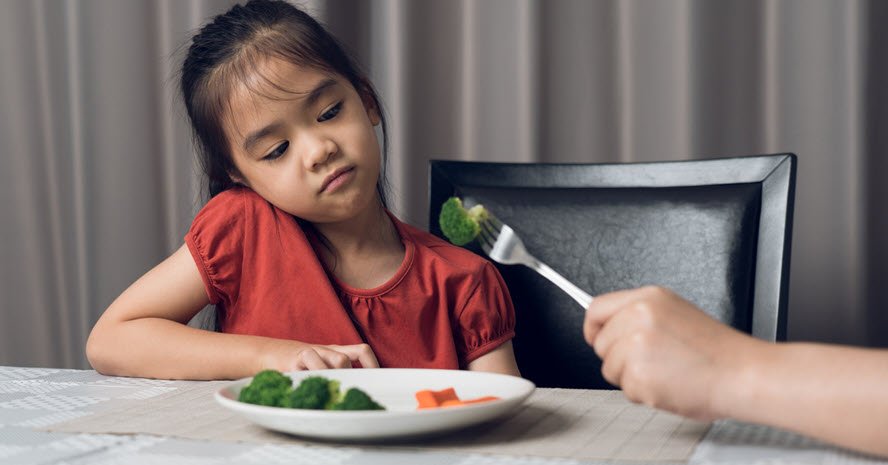
If you’ve ever watched your child examine a plate like a food critic before announcing, “I’m not eating that,” you’re certainly not alone.
For many parents, getting children to eat vegetables can feel like one of the biggest challenges at mealtimes. One day they happily eat carrots, and the next they’re refusing anything green. The good news is that building healthy eating habits doesn’t have to involve pressure, bribery or endless negotiations.
Often, it’s simply about presenting vegetables in ways that feel familiar, tasty and fun. While the goal isn’t to hide vegetables forever, introducing them creatively can help children become more comfortable with different flavours and textures over time.
Here are 10 simple ways to add more vegetables to your child’s meals.
1. Blend Vegetables Into Sauces
One of the easiest ways to boost your child’s vegetable intake is by incorporating vegetables into sauces.
Tomatoes, carrots, butternut, pumpkin, spinach, cauliflower, peppers and zucchini blend beautifully into pasta sauces, mince dishes, curries and homemade pizza sauce. Once cooked and blended until smooth, they add flavour, natural sweetness and extra nutrition without changing the overall taste of the meal.
2. Add Grated Vegetables to Mince
Whether you’re preparing meatballs, burgers, spaghetti bolognese, meatloaf or cottage pie, finely grated vegetables are an easy addition.
Carrots, zucchini, mushrooms and even cauliflower mix well with mince while helping to keep it moist and tender. It’s a simple way to increase fibre, vitamins and minerals without dramatically changing the texture.
3. Bake With Vegetables
Vegetables aren’t just for savoury meals.
Grated carrots are perfect for muffins and carrot cake, while zucchini adds moisture to breads and loaves without affecting the flavour. Pumpkin and sweet potato also work well in pancakes, waffles and scones, adding natural sweetness and nutrients.
Homemade baking also allows you to reduce added sugar while including more wholesome ingredients.
4. Sneak Them Into Smoothies
Smoothies are one of the easiest places to add leafy greens.
A handful of spinach blends almost invisibly with bananas, berries, mangoes or pineapple, while yoghurt or milk creates a creamy texture. Chia seeds, oats or peanut butter can also be added for extra fibre, healthy fats and protein, making smoothies a filling breakfast or after-school snack.
5. Upgrade Mashed Potatoes
If mashed potatoes are already a favourite, gradually introduce other vegetables into the mix.
Cauliflower, butternut, sweet potato and parsnips blend smoothly with potatoes while creating a creamy, comforting side dish. Start with a small amount and slowly increase the ratio as your child becomes accustomed to the flavour.
6. Make Mac and Cheese More Nutritious
Macaroni and cheese doesn’t have to be just pasta and cheese.
Blend cooked butternut, pumpkin or cauliflower into the cheese sauce to create a creamy meal that’s packed with extra vitamins. Most children won’t notice the difference, especially when their favourite cheese flavour remains the star of the dish.
7. Add Veggies to Homemade Meatballs
Meatballs are incredibly versatile and can easily accommodate hidden vegetables.
Finely grated carrots, spinach, mushrooms or zucchini blend seamlessly into the mixture, adding nutrition without changing the familiar taste. Serve them with pasta, rice, mashed potatoes or in wraps for a family-friendly meal.
8. Serve Smooth, Creamy Soups
Many children prefer smooth soups over chunky vegetable versions.
Pumpkin, butternut, carrots, cauliflower and sweet potato blend into velvety soups that pair perfectly with toasted sandwiches, garlic bread or cheese toasties. A swirl of cream or grated cheese can make them even more appealing.
9. Turn Vegetables Into Tasty Dips
Children often enjoy food that’s fun to eat.
Roasted vegetables can be blended with plain yoghurt, cream cheese or chickpeas to create colourful dips. Serve them with pita bread, crackers, cucumber slices or wholegrain breadsticks to encourage healthy snacking.
10. Get Kids Involved in the Kitchen
Children are far more likely to try foods they’ve helped prepare.
Simple tasks like washing vegetables, stirring sauces, measuring ingredients, sprinkling cheese or pressing the blender button give them a sense of involvement and curiosity about the final meal. Cooking together also helps children become more familiar with different vegetables in a relaxed, positive environment.
Be Patient and Keep Offering
It’s important to remember that children often need to be exposed to a new food many times before they’re willing to try it. If they refuse a vegetable today, don’t give up. Offer it again another day in a different form or alongside foods they already enjoy.
Avoid forcing children to clean their plates or using dessert as a reward for eating vegetables. Instead, make mealtimes positive and pressure-free, allowing them to explore new foods at their own pace.
Small Changes Make a Big Difference
Healthy eating doesn’t happen overnight. Adding an extra handful of spinach to a smoothie, stirring grated carrots into mince or blending vegetables into pasta sauce may seem like small changes, but they add up over time.
The goal isn’t perfection—it’s progress. By making vegetables a regular, enjoyable part of everyday meals, you’re helping your child develop healthy habits that can last a lifetime.