For many gamers, one of the long-standing advantages of console gaming has been that hardware typically becomes more affordable over time. But in today’s market, that expectation is increasingly being challenged, with prices on older hardware and services either holding steady or rising instead of falling.
This trend has sparked frustration among players, particularly in the Xbox ecosystem, where both console pricing and subscription services have seen significant increases in recent years.
Xbox Series S and X: Older Hardware, Higher Prices
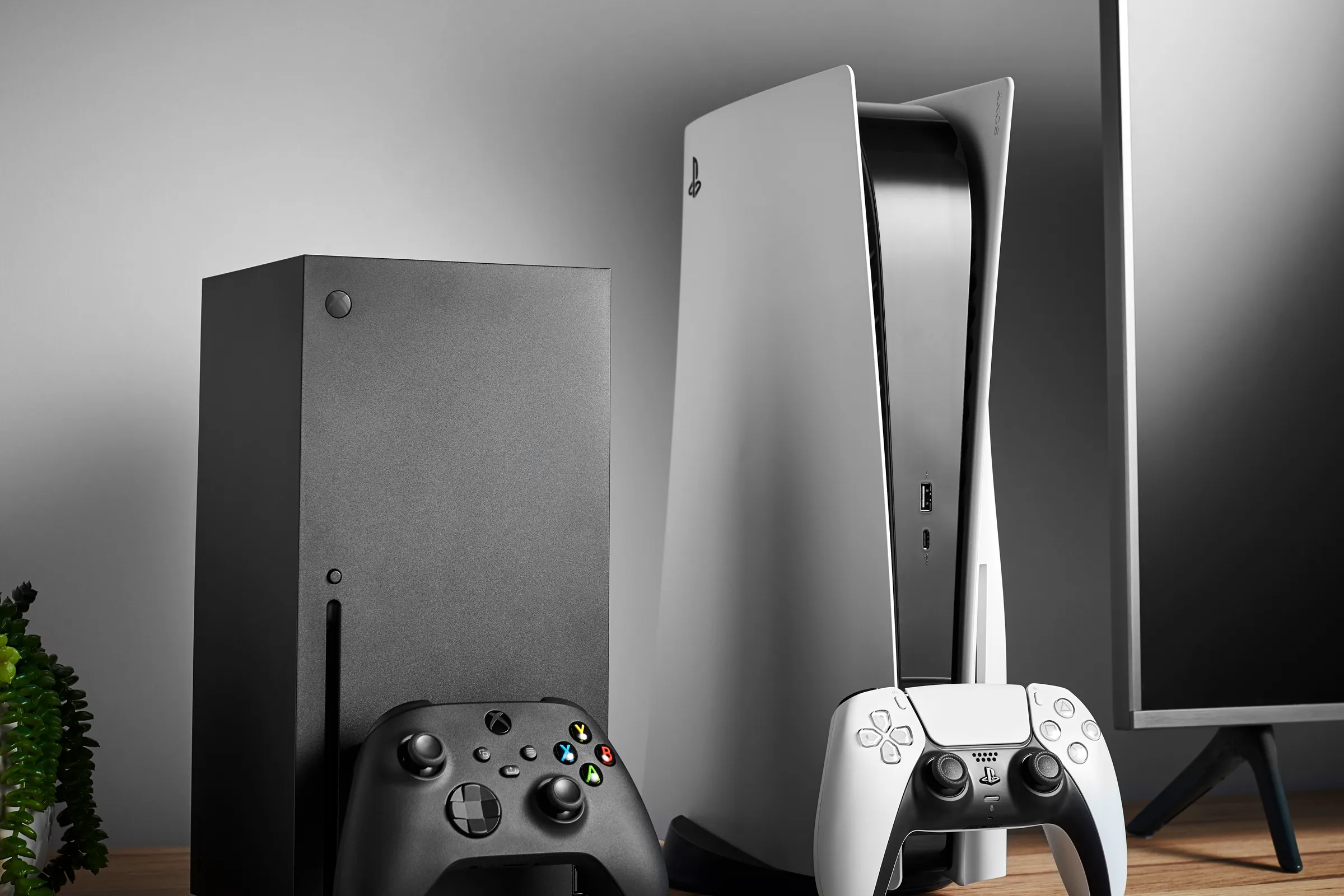
Microsoft’s Xbox Series S and Series X consoles launched in November 2020 at $300 (around R5,100 at the time) and $500 (around R8,600) respectively, excluding local South African pricing adjustments.
At launch, the Series S was positioned as a more affordable entry point into next-generation gaming, while the Series X targeted high-performance players willing to pay a premium.
However, in South Africa, retail pricing has shifted sharply over time rather than decreasing. The Series S, which some consumers purchased for around R5,999 in 2023, is now retailing at close to R9,998 in some stores. That represents a substantial increase for a console that is now six years into its lifecycle.
The Series X has also remained expensive, currently selling for around R14,999 depending on retailer and promotions. For many gamers, this has made upgrading or entering the Xbox ecosystem more difficult than expected.
PlayStation 5 Also Sees Price Adjustments
The price increases are not limited to Xbox. Sony’s PlayStation 5 Digital Edition has also seen adjustments since launch, moving from an initial $400 price point in 2020 to around $500 in more recent revisions.
Despite the price changes, PlayStation continues to dominate the console market. By 2025, the PS5 is estimated to have sold around 75 million units globally, compared with roughly 31 million Xbox Series units over the same period.
The stronger sales performance has reinforced PlayStation’s position as the market leader, even as both platforms face similar global economic pressures affecting manufacturing and distribution costs.
Xbox Game Pass: From Best Value to Rising Cost
For years, Xbox Game Pass was widely regarded as one of the best value propositions in gaming. The subscription offered access to a large library of titles, including major releases, for a relatively low monthly fee.
At its most affordable, the service cost around R129 per month in South Africa, giving subscribers access to hundreds of games, including high-profile titles such as Indiana Jones, which retails for over R1,000 individually.
However, the service has undergone multiple price increases in recent years. The first major jump raised the monthly cost from R129 to R199, a significant increase that already reshaped perceptions of its value.
More recently, further adjustments pushed pricing higher again, with some tiers reaching approximately R349 per month before backlash led to revisions. The current pricing sits closer to R239 per month, depending on the subscription tier, though some features and day-one releases have been adjusted or restricted in certain plans.
One notable change is that some high-demand titles, including Call of Duty, are not immediately available on certain subscription tiers at launch, reducing some of the appeal that once defined the service.
A Changing Value Proposition for Gamers
For many players, the combined effect of rising console prices and increasing subscription costs has altered the perception of affordability in gaming.
What was once considered a cost-effective entertainment ecosystem is now seen by some as increasingly expensive, especially when compared to earlier console generations where hardware prices steadily declined over time.
While both Microsoft and Sony continue to expand their services, libraries and cloud gaming ambitions, consumers are left weighing whether the value still matches the rising cost of entry.
A Tougher Landscape for Gaming Budgets
The current situation highlights a broader shift in the gaming industry, where long-term affordability is no longer guaranteed. Between hardware pricing, subscription models and game costs, players are now spending more to maintain access to the same ecosystems.
For many gamers, the question is no longer just about which console offers the best performance or exclusive titles—but whether gaming itself is becoming a harder hobby to sustain financially.