That cold, fizzy drink enjoyed during a lunch break, weekend braai, or family gathering is often seen as a harmless indulgence and a familiar part of South African social life. However, new analysis has once again drawn attention to the surprisingly high sugar content found in many popular carbonated beverages sold locally.
A recent market review of nearly 40 soft drinks available on South African shelves highlights just how much sugar is contained in some of the country’s favourite refreshments. The findings show that certain beverages contain more than 13 grams of sugar per 100ml, turning what is often perceived as a simple thirst-quencher into a significant source of daily sugar intake.
South Africa’s Sweetest Soft Drinks
According to the analysis, several well-known brands rank among the highest in sugar content per 100ml. These include:
Woolworths Passionade – 13.4g
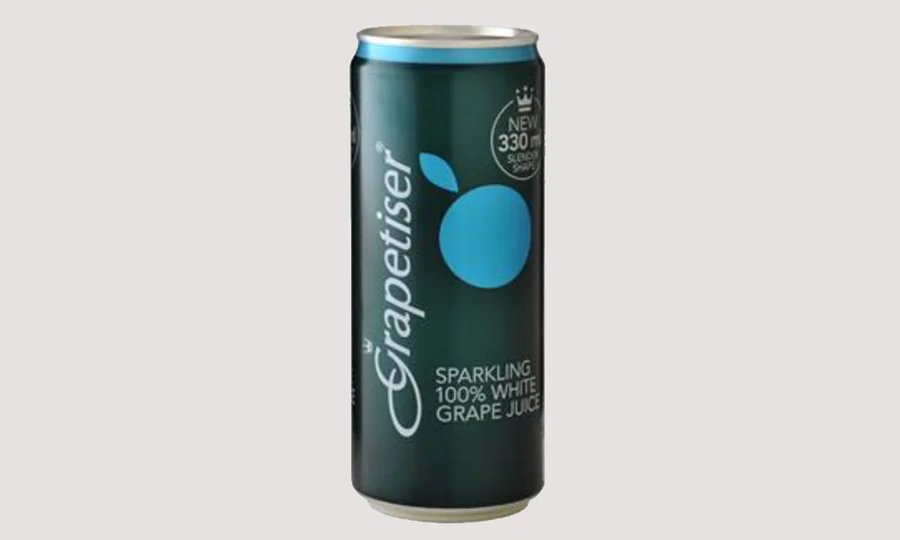
Appletiser White Grapetiser – 12.5g
Appletiser Red Grapetiser – 12.3g
Woolworths Ginger Beer – 12.3g
Schweppes Dry Lemon – 11.0g
Sparletta Iron Brew – 8.4g
When scaled to a standard 330ml can, the numbers become even more striking. A single can of Woolworths Passionade, for example, contains roughly 44 grams of sugar — equivalent to about 11 teaspoons in one serving. Even beverages often perceived as lighter or more refined, such as sparkling juice drinks, can exceed recommended daily sugar limits in just one can.
Health authorities, including the World Health Organization, advise that adults should limit added sugar intake to around six teaspoons per day. Many common soft drinks therefore exceed this guideline in a single serving, raising concerns about cumulative daily consumption.
How Liquid Sugar Affects the Body
Unlike sugar found in whole fruit, which is slowed by fibre, liquid sugar is rapidly absorbed by the body. This causes a quick spike in blood glucose levels shortly after consumption.
Health researchers note that this rapid absorption forces the body to respond with a surge of insulin, as the pancreas works to regulate rising blood sugar. Over time, repeated exposure to these spikes can contribute to insulin resistance and metabolic strain.
Excess sugar that is not immediately used for energy is stored as fat, including in the liver. Medical studies have linked long-term consumption of high-sugar beverages to increased risk of fatty liver disease, weight gain, and metabolic disorders. Some findings suggest that sustained daily intake of sugary drinks may significantly increase liver fat accumulation within months.
South Africa’s Growing Health Challenge
The concern comes at a time when South Africa is facing a rising burden of lifestyle-related illnesses, particularly obesity and Type 2 diabetes.
Recent estimates indicate that a large proportion of adults are affected by excess weight, with women over 35 experiencing particularly high rates of obesity. Public health experts have linked these trends to a combination of dietary habits, including the widespread consumption of sugar-rich foods and beverages.
Type 2 diabetes, in particular, has become one of the country’s most serious health challenges, contributing significantly to illness and mortality rates. Health authorities have also warned about the long-term strain that diet-related diseases place on the public healthcare system.
To address this, South Africa introduced a Health Promotion Levy on sugar-sweetened beverages in 2018. The policy was designed to reduce sugar consumption and encourage manufacturers to reformulate products with lower sugar content.
Health Risks Linked to Sugary Drink Consumption
Research has consistently shown a strong link between regular consumption of sugary beverages and adverse health outcomes. Daily intake has been associated with increased risk of weight gain, dental decay, and metabolic diseases.
Studies also suggest that even one sugary drink per day can significantly raise the likelihood of becoming overweight over time. Higher consumption levels are linked to increased risks of Type 2 diabetes and cardiovascular disease.
Experts warn that liquid sugar is particularly problematic because it does not trigger the same feeling of fullness as solid food, often leading to excess calorie intake without compensatory reduction in other meals.
Healthier Alternatives and Lifestyle Choices
Health professionals emphasise that awareness, rather than restriction, is key to better dietary choices. Simple substitutions can reduce sugar intake without eliminating enjoyment during social occasions.
Recommended alternatives include:
Infused sparkling water with lemon, cucumber, or mint
Sugar-free or low-calorie versions of soft drinks and mixers
Homemade iced rooibos tea, lightly flavoured with citrus juice
These options offer hydration and flavour without the high sugar load associated with traditional fizzy drinks.
A Growing Awareness of Hidden Sugar
As awareness grows around the health impact of dietary sugar, consumers are increasingly encouraged to read labels and understand what is in their drinks. Even small daily habits, when repeated over time, can have a significant impact on long-term health.
While soft drinks remain a deeply rooted part of social culture, particularly in celebrations and gatherings, health experts continue to stress moderation and informed choices.
Ultimately, the focus is shifting toward balance — enjoying familiar favourites while being mindful of the hidden sugars that can quietly affect long-term well-being.