Uncle Vinny Trends Amid Online Leaked Video with Lerato Jordan
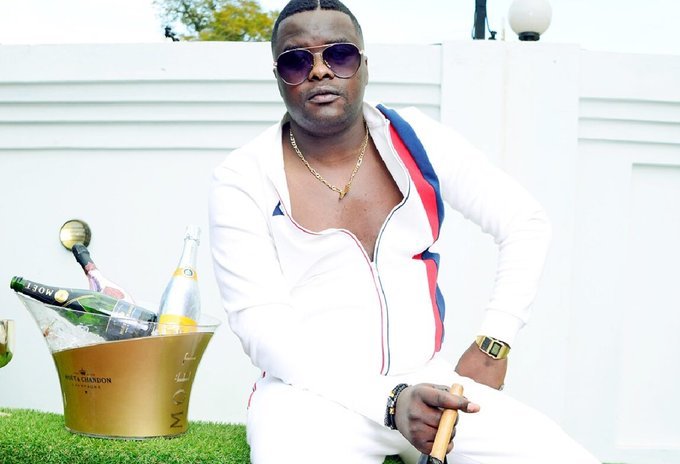
South African entertainer, MC, and youth cultural figure Uncle Vinny, whose real name is Kabelo Vincent Ndlovu, has become one of the country’s most talked-about personalities after his name was linked to explicit content circulating widely on social media.
The controversy has fueled widespread discussion across platforms such as X, Facebook, TikTok, and WhatsApp, with users sharing opinions, speculation, and unverified claims. As of now, no official statement has been released by Uncle Vinny addressing the matter, and many details circulating online remain unconfirmed.
The incident has once again highlighted how quickly private or alleged intimate content can spread online, particularly when public figures are involved. Within hours of the alleged leak surfacing, the topic began trending, with thousands of users debating everything from celebrity privacy to the ethics of consuming and sharing leaked material.
A Familiar Problem in the Digital Age
The alleged incident involving Uncle Vinny is the latest in a growing list of cases where celebrities and public personalities have found themselves at the center of online privacy controversies.
Experts say the rapid spread of smartphones, encrypted messaging apps, and social media has made it increasingly difficult to contain private material once it enters the public domain. Even when content is removed from one platform, copies often continue circulating elsewhere.
In South Africa, the unauthorized distribution of intimate images or videos may violate several laws, including provisions relating to privacy, dignity, and the non-consensual sharing of explicit content. Individuals who record, distribute, or repost intimate material without consent could potentially face both civil and criminal consequences.
Public Curiosity vs. Right to Privacy
Cases involving leaked intimate material often spark intense public interest, especially when celebrities are involved. However, legal experts and digital rights advocates have repeatedly argued that being a public figure does not eliminate a person’s right to privacy.
While many social media users search for or share such content out of curiosity, advocacy groups warn that every repost, download, or upload contributes to the continued violation of the individual’s privacy and can significantly increase the emotional and reputational harm suffered.
The discussion also raises broader questions about digital ethics, cyberbullying, consent, and the responsibility of online users in an era where content can reach millions of people within minutes.
Watch Video Here: UNCLE VINNY AND LERATO JORDAN LEAK
The Role of Social Media
Social media platforms have become powerful tools for breaking news and entertainment, but they have also amplified the spread of unverified information.
In many high-profile controversies, speculation often spreads faster than verified facts, making it difficult to separate truth from rumor. This can have lasting consequences for those involved, particularly when allegations remain unconfirmed.
Experts encourage users to verify information before sharing it and to avoid participating in the distribution of private or explicit material whose publication may not have been consensual.
A Broader Conversation
Beyond the headlines, the controversy serves as another reminder of the growing challenges surrounding digital privacy in the modern world.
As technology continues to evolve, incidents involving leaked private content are becoming increasingly common, prompting renewed calls for stronger digital literacy, responsible online behavior, and stricter enforcement against the non-consensual distribution of intimate material.
Whether involving celebrities or ordinary individuals, privacy advocates maintain that every person deserves dignity, consent, and protection from the unlawful sharing of private content.