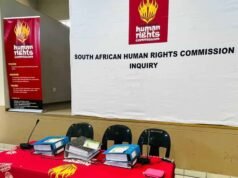
Gauteng’s major metros and several local municipalities have shown a continued decline in financial health and procurement performance, particularly in the management of water-related services, according to submissions and oversight findings presented at the South African Human Rights Commission (SAHRC) inquiry.
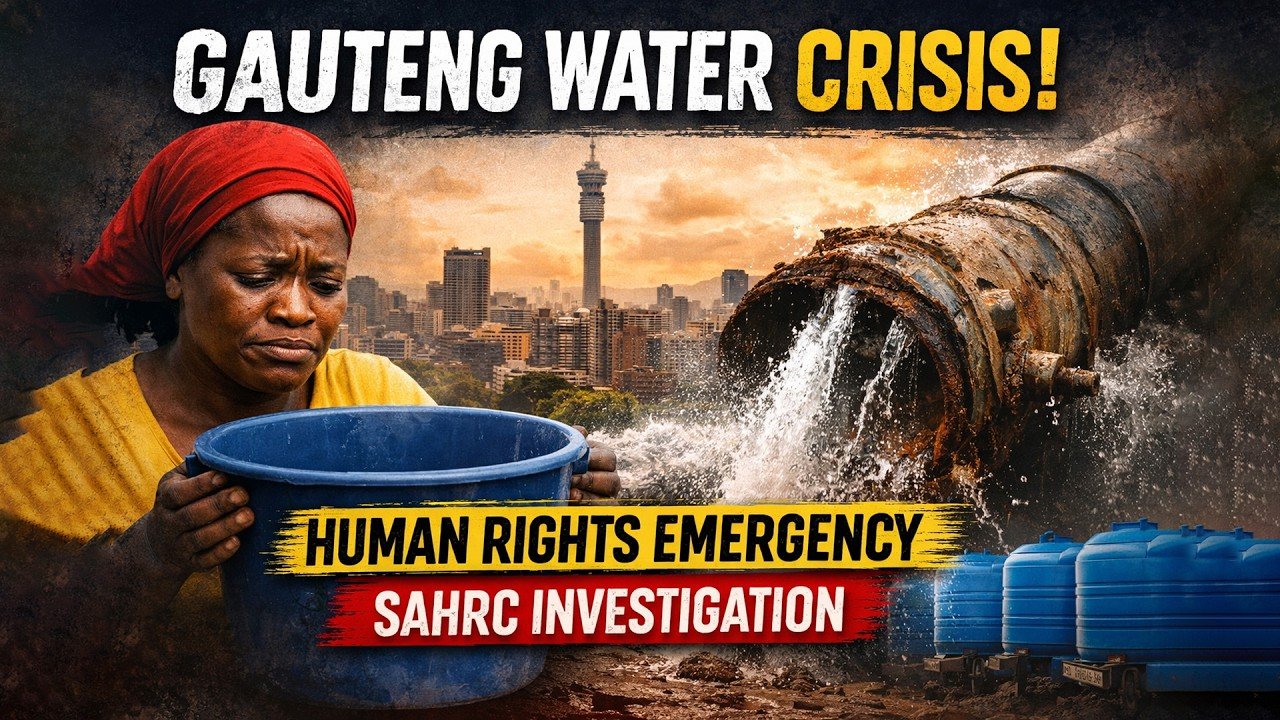
The inquiry, currently underway at Constitution Hill, is examining widespread water challenges affecting communities across Gauteng, including chronic shortages, ageing infrastructure, governance failures, and unreliable service delivery. Civil society organisations, ratepayer associations, and oversight bodies have all raised concerns about the sustainability of municipal water systems in the province.
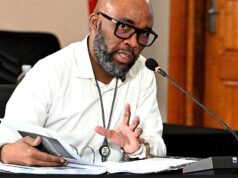
A key submission came from the Auditor-General of South Africa (AGSA), which painted a concerning picture of municipal performance over the past three years. According to AGSA representative Andries Sekgetho, Gauteng municipalities have consistently underperformed in audit outcomes, with none achieving sustained clean audits during the period under review.
Sekgetho noted that even the province’s largest metros, including the City of Johannesburg, Ekurhuleni, and Tshwane, have regressed in their financial reporting and governance outcomes. Many municipalities now carry qualified audit opinions, indicating material issues in financial management and reporting accuracy.
He explained that persistent weaknesses in procurement systems, contract management, and infrastructure delivery have directly impacted water service provision. These failures have contributed to inefficiencies in maintaining water networks, managing leaks, and monitoring water losses across municipal systems.
Municipalities such as Emfuleni, Mogale City, Merafong, Rand West City, and others were highlighted as areas where infrastructure management challenges and financial irregularities continue to undermine service delivery. AGSA findings suggest that poor oversight and inadequate technical capacity have worsened over time, leading to repeated audit findings without meaningful improvement.
Sekgetho warned that the implications of these shortcomings are severe, particularly in relation to essential services like water supply, where failures have direct consequences for public health, livelihoods, and community stability.
Community representatives at the inquiry echoed these concerns. David-Hutch Barr, speaking on behalf of the Primrose Ratepayers Association, attributed the ongoing water crisis to a combination of political interference, procurement irregularities, and systemic mismanagement within water tanker and supply services.
Barr told the commission that the impact of these failures is being felt across multiple communities in Ekurhuleni, including Germiston, Edenvale, Vosloorus, and Springs, where residents reportedly experience prolonged periods without access to running water. He also warned that schools, informal settlements, and vulnerable households are among the hardest hit.
He further raised concern about the economic consequences of the crisis, stating that some companies operating in affected areas are considering retrenchments due to unreliable water supply and operational disruptions, potentially affecting hundreds of workers.
The SAHRC inquiry forms part of a broader constitutional mandate to assess whether persistent water service failures in Gauteng amount to violations of basic human rights, including access to sufficient water, dignity, and health.
Civil society organisations have urged stronger intervention from both provincial and national government, calling for improved accountability, stricter oversight of municipal procurement processes, and urgent investment in ageing water infrastructure.
As hearings continue, the inquiry is expected to consolidate evidence from municipalities, regulators, and affected communities before compiling recommendations aimed at addressing what many describe as a deepening service delivery crisis across Gauteng’s urban and peri-urban areas.