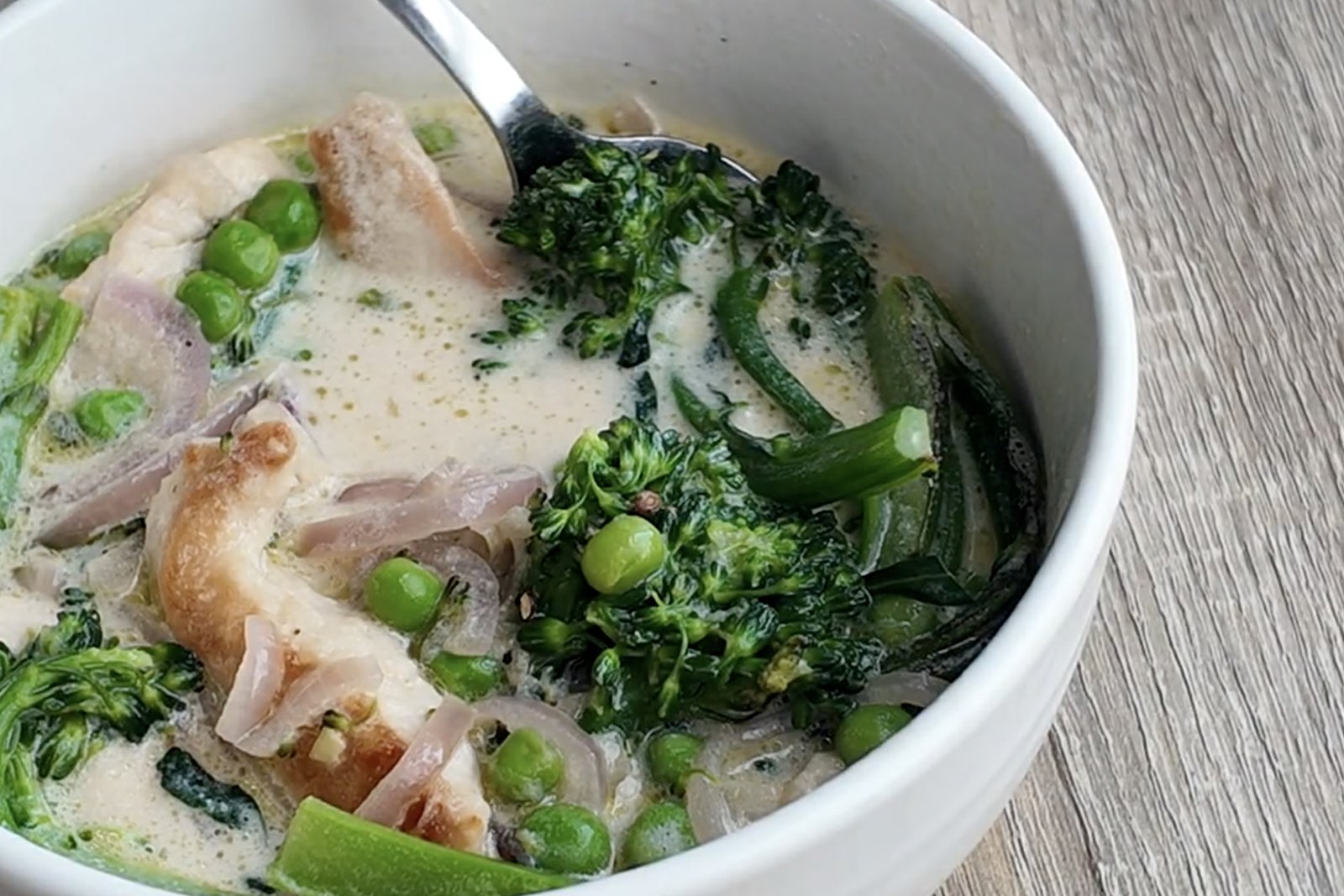
Winter has a way of changing what we want to eat.
When temperatures drop, crisp salads and light lunches can suddenly lose their appeal. Breakfast becomes toast, oats or a steaming cup of tea, while lunch and dinner call for hearty soups, curries, stews, pasta and other meals that arrive at the table piping hot.
The problem is that vegetables can easily get lost in all that comfort food.
This matters in South Africa, where vegetable and fruit consumption is already well below recommended levels. National Nutrition Week data has previously put average daily consumption among South Africans aged 15 and older at roughly 226g for women and 235g for men, compared with the recommended 400g a day, or about five portions.
South Africa’s food-based dietary guidelines also encourage people to eat plenty of vegetables and fruit every day and to include a variety of foods in their diets.
So how do you keep eating well when winter cravings are telling you to reach for something rich and comforting?
The answer does not have to be complicated.
Instead of treating vegetables as something that must be prepared separately, make them part of the meals you already enjoy.
Make breakfast work harder
On a cold morning, convenience matters.
Few people want to spend half an hour chopping vegetables before work or getting the children ready for school. That is where a little preparation can make a difference.
A vegetable frittata, egg bake or savoury muffin can be prepared ahead of time and portioned for several breakfasts.
Eggs can be combined with broccoli, spinach, mushrooms, peppers, tomatoes or leftover roasted vegetables before being baked. Serve with wholegrain toast for a filling breakfast.
Another easy option is to add vegetables to scrambled eggs or an omelette. Leftover cooked vegetables from dinner can often be repurposed rather than thrown away.
For a sweeter breakfast, oats can be topped with fruit such as bananas, berries or apples, along with nuts or seeds.
The goal is not to create an elaborate breakfast. It is to make nutritious ingredients part of a meal that is already convenient.
Give your soup a vegetable boost
Soup is one of winter’s greatest comfort foods — and one of the easiest ways to increase your vegetable intake.
You can build a soup around vegetables such as butternut, carrots, cauliflower, broccoli, spinach, cabbage, tomatoes or sweet potatoes.
There is also no rule saying every vegetable needs to remain recognisable. Blending cooked vegetables into soup can create a thick, creamy texture without relying entirely on cream.
For a simple winter soup, sauté onion and garlic, add chopped vegetables, spices and stock, then simmer until everything is tender. Blend part or all of the mixture and finish with beans, lentils, shredded chicken or another protein if desired.
Using frozen vegetables can also save preparation time. They can be particularly useful when fresh produce is expensive, unavailable or likely to spoil before you use it.
Let vegetables join the curry
Curries are another natural home for vegetables.
Add cauliflower, broccoli, spinach, green beans, carrots, pumpkin, butternut or peas to your favourite curry. You can also use beans or lentils to make a vegetable-based curry more filling.
Quick-cooking vegetables can be added towards the end so they retain some texture rather than becoming overly soft.
A handful of spinach can wilt into a curry within minutes, while broccoli florets can be added during the final stages of cooking.
This approach also makes it easier to stretch a meal. Adding vegetables and legumes can increase the volume of a dish without relying entirely on meat.
Upgrade your stews and one-pot meals
Winter stews are another opportunity to add colour and nutrients to the dinner table.
If you are making a beef, chicken or bean stew, add vegetables such as carrots, potatoes, mushrooms, peas, cabbage or butternut.
One-pot meals are particularly useful because everything cooks together, reducing both preparation and washing-up.
You can also turn leftovers into a completely different meal. Yesterday’s roast vegetables can become part of a soup, omelette, pasta dish or grain bowl the following day.
That kind of planning can help reduce food waste while making it easier to eat vegetables throughout the week.
Don’t forget South Africa’s traditional favourites
Eating more vegetables does not mean abandoning familiar South African comfort foods.
Vegetables can be incorporated into meals such as samp and beans, stews, curries, chakalaka and pap-based dishes.
A colourful vegetable relish or chakalaka can add vegetables and flavour to a meal, while beans, peas and lentils can provide an affordable source of plant protein.
For families, traditional dishes can also provide an opportunity to introduce more vegetables without making the meal feel unfamiliar.
The broader principle is simple: build on foods people already enjoy rather than creating an entirely separate menu.
Make the healthy choice convenient
When you are cold, hungry and tired, convenience tends to win.
That is why keeping vegetables visible and easy to prepare can be more useful than relying on willpower.
Wash and chop vegetables when you bring them home, or prepare a batch for several meals. Keep ready-to-use vegetables in the refrigerator and frozen options in the freezer.
If you are preparing a roast, soup or stew, make enough vegetables to use in another meal.
You can also keep simple options such as frozen spinach, peas, mixed vegetables or broccoli available for days when there is little time to cook.
Fresh is not the only option. Frozen and canned vegetables can also form part of a nutritious diet, particularly when they are convenient and affordable.
Think beyond broccoli
Broccoli may be the star of these recipes, but there is no need to limit yourself to one vegetable.
South African winters offer plenty of opportunities to experiment with seasonal produce.
Try:
- Butternut and pumpkin
- Cabbage
- Spinach
- Cauliflower
- Carrots
- Green beans
- Peas
- Sweet potatoes
- Beetroot
- Mushrooms
- Tomatoes
- Onions
Different colours generally mean different combinations of nutrients and plant compounds, so variety matters.
You also do not need to hit a perfect target at every meal. Adding one extra vegetable to lunch or dinner is still a useful step.
Make comfort food more balanced
A comforting winter meal does not have to be unhealthy.
A bowl of pasta can include mushrooms, spinach, tomatoes and broccoli. A toasted sandwich can contain grilled vegetables. A baked potato can be topped with beans and vegetables. A creamy soup can be built around cauliflower, butternut or broccoli.
The idea is not to make every meal “diet food”.
It is to find a balance between foods that are comforting and foods that provide the nutrients your body needs.
South Africa’s health authorities encourage a varied diet and emphasise the importance of vegetables and fruit as part of healthy eating.
Three easy winter ideas
Creamy vegetable samp
Cook samp until tender, then stir through sautéed onion, garlic, peppers and herbs. Add a moderate amount of cream or another creamy ingredient and serve with roasted or pan-fried broccoli.
For extra protein, serve alongside beans or another protein of your choice.
Curried broccoli and vegetable soup
Sauté onion, garlic and ginger before adding broccoli, cauliflower, carrots and vegetable stock. Season with curry powder, turmeric, coriander and cumin.
Simmer until tender and blend until smooth, leaving some vegetables whole for texture. A little coconut milk can add creaminess.
Serve with crusty bread for a warming winter lunch.
Garlic-butter vegetable tray bake
Roast baby potatoes with mushrooms, broccoli, carrots and other vegetables of your choice. Toss everything with a small amount of olive oil, garlic, herbs and lemon zest before baking until golden.
It is an easy one-pan dinner and can be adapted according to whatever vegetables are available.
Small changes can make a difference
Eating more vegetables during winter does not require a complete overhaul of your diet.
Add spinach to your curry. Put broccoli into your soup. Add mushrooms and peppers to your eggs. Roast extra vegetables with dinner and use the leftovers for lunch.
These small additions can gradually make vegetables a more regular part of your meals.
And if winter is going to remain the season of soups, curries, stews, pasta and other comfort foods, there is no reason vegetables cannot come along for the ride.
You can have the warm, satisfying meal you are craving — just make sure there is something green, colourful or plant-based sharing the bowl.