Whether you live alone, with family, a partner or in a shared home, creating a safer living environment does not always require expensive equipment or a sophisticated security system.
Small, consistent habits can make a meaningful difference. From securing doors and windows to building relationships with trusted neighbours, home safety is often about reducing opportunities for crime, staying aware of your surroundings and having a plan for unexpected situations.
Here are practical steps women can take to improve security at home without spending a fortune.
1. Make locking up a routine
One of the simplest ways to improve home security is to make sure doors and windows are properly secured.
Lock your doors and security gates even when you are inside the house. Avoid assuming that being at home means you do not need to take basic precautions.
Regularly check whether locks, handles, hinges and security gates are in good working order. A damaged or faulty lock should be repaired rather than ignored.
Windows should also be secured, particularly those that are accessible from outside. If you have children or other household members, make sure everyone understands the importance of locking doors and windows.
Avoid hiding spare keys in obvious places such as under doormats, flower pots or near the front door. If someone needs a spare key, consider giving it to a trusted person instead.
It is also worth keeping ladders, gardening equipment, tools and other items that could potentially assist an intruder stored securely.
2. Build a trusted neighbourhood network
Good relationships with neighbours can become an important part of your safety plan.
You do not need to know everyone around you. Start by identifying a few trustworthy neighbours who you can contact if there is a problem.
Exchange telephone numbers and consider joining a neighbourhood WhatsApp group if one exists. These groups can be useful for sharing information about suspicious activity, security concerns, lost keys or other incidents in the area.
Depending on where you live, you can also find out whether there is a neighbourhood watch or Community Policing Forum operating in your area.
If you are going away, consider telling a trusted neighbour rather than making your absence public. Someone keeping an eye on your property can alert you if something unusual happens.
3. Improve visibility around your property
A well-maintained exterior can make it more difficult for someone to approach your home unnoticed.
Keep entrances, driveways and pathways adequately lit. Affordable solar-powered or motion-sensor lights can provide additional illumination without requiring major electrical work.
Look around your property for areas where someone could hide. Overgrown bushes, trees and vegetation close to doors and windows can reduce visibility, so keep them properly trimmed.
At night, close curtains or blinds so that people outside cannot easily see into your home. Avoid placing valuable electronics or expensive items directly in front of windows where they can be seen from outside.
The goal is not to turn your home into a fortress. It is simply to improve visibility and reduce opportunities for someone to approach unnoticed.
4. Stay alert when arriving home
The moments immediately before entering your property are worth paying attention to.
Have your keys ready before reaching the gate or front door so you are not distracted while searching through your bag.
Look around before getting out of your vehicle and pay attention to people, vehicles or activity that seems unusual.
If you believe you are being followed or notice something suspicious near your home, do not simply continue into your property. Consider driving to a busy, well-lit location or another place where you can safely ask for assistance.
Once you are safely inside, make sure the gate and doors are properly secured.
5. Be cautious about unexpected visitors
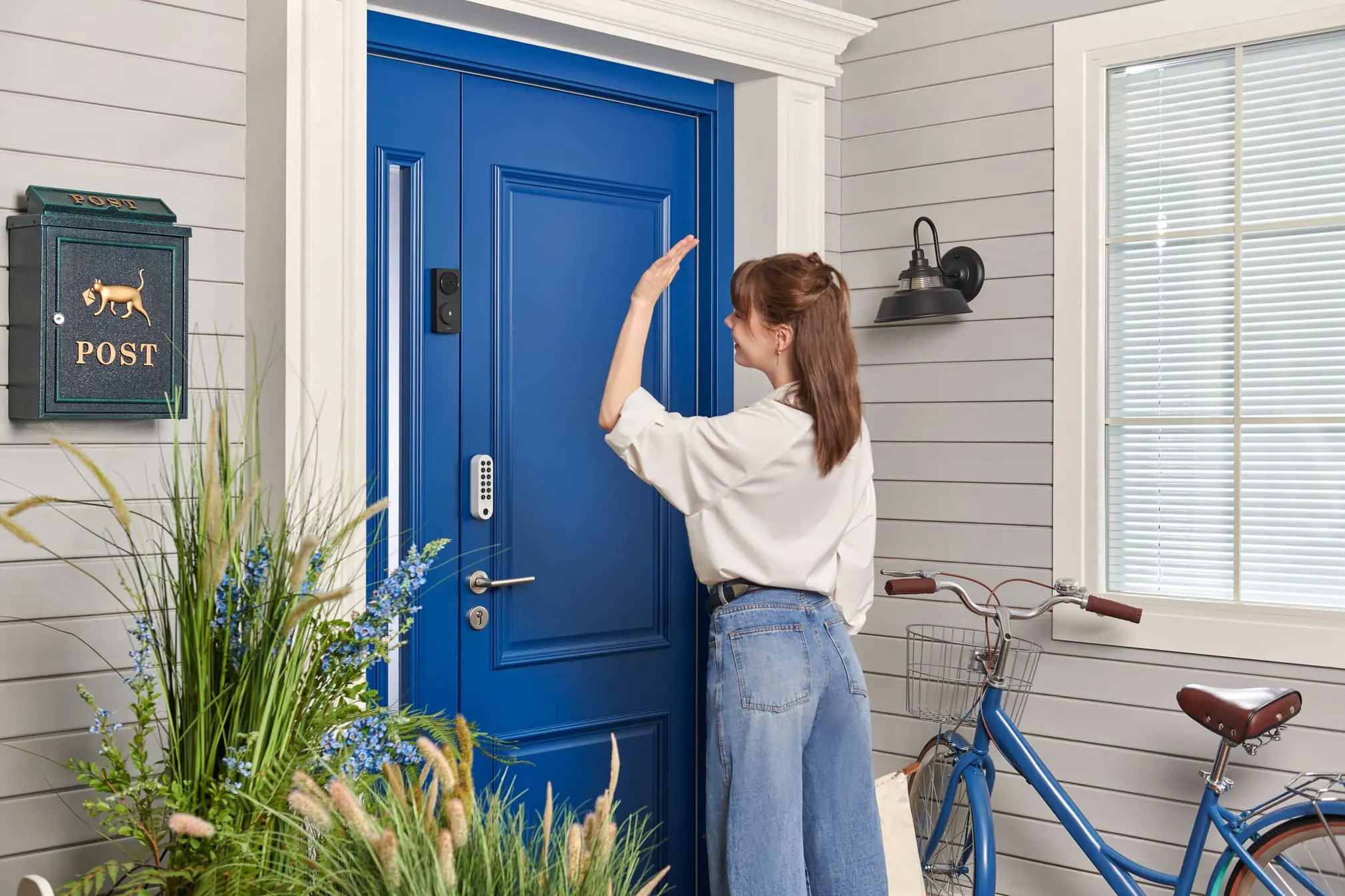
You are not obliged to open your door simply because someone knocks or rings the bell.
If a visitor claims to represent a company, municipality, delivery service or other organisation, ask for identification and verify the person’s details before allowing them onto your property.
Where possible, contact the organisation using a trusted telephone number rather than relying solely on a number provided by the visitor.
If you are uncertain about someone’s identity, keep the door locked and ask them to return at another time.
Teaching children and other members of the household not to open the door to strangers is equally important.
6. Have an emergency plan
It is much easier to respond calmly to an emergency when you have already considered what you would do.
Keep your cellphone charged, particularly overnight. Save important emergency and personal contacts so you do not have to search for numbers when you are under pressure.
Think about where you could go inside your home if you ever needed to move away from a potential threat. Ideally, identify a secure area where you can lock yourself in and contact help.
It can also be useful to establish a simple code word with a trusted friend or family member. The word can indicate that you need assistance without requiring you to explain the situation openly.
If you expect to arrive home very late, consider letting someone you trust know when you expect to arrive.
7. Security does not have to be expensive
Professional security services, CCTV systems, electric fencing and other sophisticated measures can be useful, but they are not affordable for everyone.
If your budget is limited, start with basic improvements.
Good-quality locks, a properly secured security gate, burglar bars where appropriate, outdoor lighting and secure windows can all form part of a basic security strategy.
Your strongest resource may also be your personal network. Trusted neighbours, family members and friends can provide support when something goes wrong.
A neighbourhood watch or Community Policing Forum can also provide another layer of community awareness.
No single measure can guarantee complete safety. The aim is to combine several practical precautions that make your home less vulnerable and help you respond more effectively if something happens.
8. Be careful about sharing your movements online
Social media can unintentionally reveal when a home is empty.
Think carefully before announcing that you are going on holiday, travelling for an extended period or spending several nights away from home.
Avoid posting detailed information that tells strangers exactly when you will be away or when you expect to return.
If you are travelling, consider sharing photographs after you return rather than providing real-time information about your location.
Ask someone you trust to check on your home if you will be away for several days. Having someone collect post and parcels can also prevent your absence from becoming obvious.
Simple measures that make the property appear occupied can also help, where practical.
9. Take extra care with personal information
Home security is not only about physical barriers. Information can also be valuable.
Be cautious about giving strangers unnecessary details about who lives in your home, your daily routine, when you leave for work or school, or when other household members are away.
Similarly, avoid sharing sensitive information with people you do not know well.
The less unnecessary information an unknown person has about your routine and household, the harder it is for them to predict your movements.
10. Listen to your instincts
If a situation feels wrong, you do not have to convince yourself that you are imagining things.
You can choose not to open the door, leave a location, contact someone you trust or ask a neighbour for assistance.
If you are driving home and feel that another vehicle may be following you, avoid going directly to your house. Instead, consider heading to a busy, secure location and contacting someone for help.
Trusting your instincts does not mean living in fear. It means giving yourself permission to take sensible action when something feels unusual.
Home safety is about preparation
You do not need to live behind expensive security equipment to take your safety seriously.
Good locks, secure windows, adequate lighting, trusted neighbours, careful online habits and a basic emergency plan can all contribute to a safer home environment.
The most important thing is to build habits that become automatic: lock up properly, stay aware of your surroundings, be cautious about unexpected visitors and know who you can contact when you need help.
Home safety should ultimately be about confidence and preparation, not fear. A few practical precautions can give you greater control over how you respond when something does not feel right.