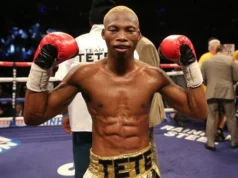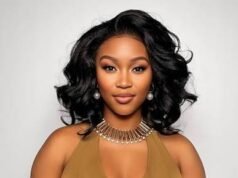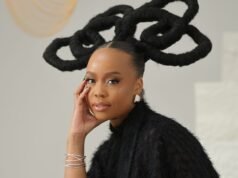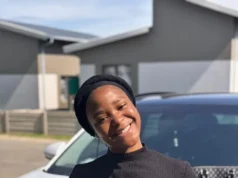
Former Outlaws actress Nirvana Nokwe is calling for sweeping reforms within South Africa’s film and television industry after recently accusing actor Bonko Khoza of sexual assault.

Just days after publicly sharing allegations against her former co-star, Nokwe has launched a petition demanding stricter safety measures, stronger accountability structures, and better protection for actors and production crews working in the entertainment industry.
The actress claims her experience exposed what she believes is a deeply rooted culture of silence and fear within the sector, where many performers and creatives allegedly feel pressured to tolerate abuse, harassment, and exploitation to avoid losing job opportunities or being blacklisted.
According to Nokwe, the alleged incident took place during the filming of Red Ink in 2023. She says she reported the matter by opening a criminal case and informing the production’s executive producer, but alleges no meaningful action was taken.
“What was experienced is not an isolated incident. It reflects a broader reality within the film and television industry, where safety is often compromised, accountability is inconsistent, and individuals are expected to endure exploitation in order to sustain their careers,” she said.

Nokwe further alleged that she received warnings from people within the industry who allegedly advised her against speaking publicly, claiming it could damage or completely destroy her acting career.
The actress also claimed that some individuals who were aware of the alleged incident chose to remain silent rather than support her publicly, something she says reflects the power dynamics and fear many workers experience behind the scenes in the entertainment world.
The controversy has triggered widespread debate across social media platforms since Nokwe first shared her allegations on 16 May 2026. Online reactions have been sharply divided, with some users expressing support for her decision to speak out, while others have questioned the timing and handling of the allegations.
As public discussion continues, Nokwe says she has decided to step away from acting altogether and instead focus her energy on advocacy and industry reform.
Her petition calls for the establishment of independent licensing and oversight structures within South Africa’s entertainment sector. She is also advocating for trauma-informed ethics training, transparent vetting procedures, confidential reporting channels, and independent support systems designed to protect actors, extras, makeup artists, crew members, and other creatives from abuse and exploitation on production sets.
“In an industry where longevity is often tied to one’s ability to withstand abuse without protest, silence is not neutrality; it is complicity,” she stated.
Nokwe believes the entertainment industry can no longer rely solely on internal disciplinary systems, arguing that many vulnerable workers are often left unprotected when complaints involve influential figures or powerful production companies.
“Rather than continuing to depend on structures that have repeatedly failed to protect us, we can begin to create and participate in ecosystems where alignment is intentional,” she said.
She further stressed that accountability should no longer rest only with executives or production houses, but should become community-driven and transparent.
“This is not about removing accountability, but about redistributing it, so that power is not concentrated in institutions that can ignore harm, but shared across communities and systems that prioritise human dignity.”
The debate surrounding Nokwe’s allegations has also reignited broader conversations about workplace safety within South Africa’s creative industries. Over the years, several actors, musicians, and media personalities have publicly raised concerns about exploitation, harassment, unsafe working conditions, and the lack of formal protections available to freelancers and performers.
Industry observers say many production environments still lack independent human resources structures, leaving workers with limited options when disputes or allegations arise.
As of 18 May, Nokwe’s petition had already attracted more than 700 signatures, with supporters rallying behind her calls for reform and safer working environments within the South African entertainment industry.
At this stage, Bonko Khoza has not publicly responded in detail to the latest allegations, and no court findings have been made regarding the claims.
View this post on Instagram
More News: Shebeshxt’s Troubles Deepen After Court Adds 11 More Charges
Popular Lekompo musician Shebeshxt, whose real name is Lehlogonolo Katlego Chauke, appeared once again before the Polokwane Regional Court on Friday as his legal troubles deepened following the addition of 11 new charges by the State.